
Travelers are drawn to Cabo Verde, an archipelago nation west of Senegal in Africa, by its untainted beauty, dynamic culture, & fascinating past. Each of the ten volcanic islands & five islets that make up this mosaic has its own distinct charm, from the lush mountains of Santo Antão to the dry desert landscapes of Boa Vista. This former Portuguese colony, which is now a stable democracy, offers a wide variety of experiences and guarantees each visitor an amazing journey. One of Cabo Verde’s most notable characteristics is its geographical diversity, which shows a sharp contrast between each island.
Visitors can customize their experience with this variety, whether they are looking for calm beaches, strenuous hikes, or colorful marine life. The verdant gem is Santo Antão. The second-largest island, Santo Antão, is a hiker’s paradise. Its terraced fields, deep, lush valleys, and striking volcanic peaks depict an unparalleled natural grandeur.
With verdant sugarcane plantations, banana groves, and mango trees flourishing in the rich soil, the island’s northern coast is especially picturesque. Trekking Ribeira Grande. Numerous treks begin in the Ribeira Grande valley, which winds through charming towns like Ponta do Sol & Cruzinha da Garça.
Hikers can follow historic donkey trails while surrounded by the enticing aroma of damp earth and tropical fruit, passing by happy locals and traditional stone homes. looking around Cova Crater. Cova Crater, a massive extinct volcano whose interior has been turned into productive farmland, is located in the center of Santo Antão. From the crater rim, there are breathtaking views of the surrounding mountains and the blue ocean beyond. Sal: The Bright Playground.
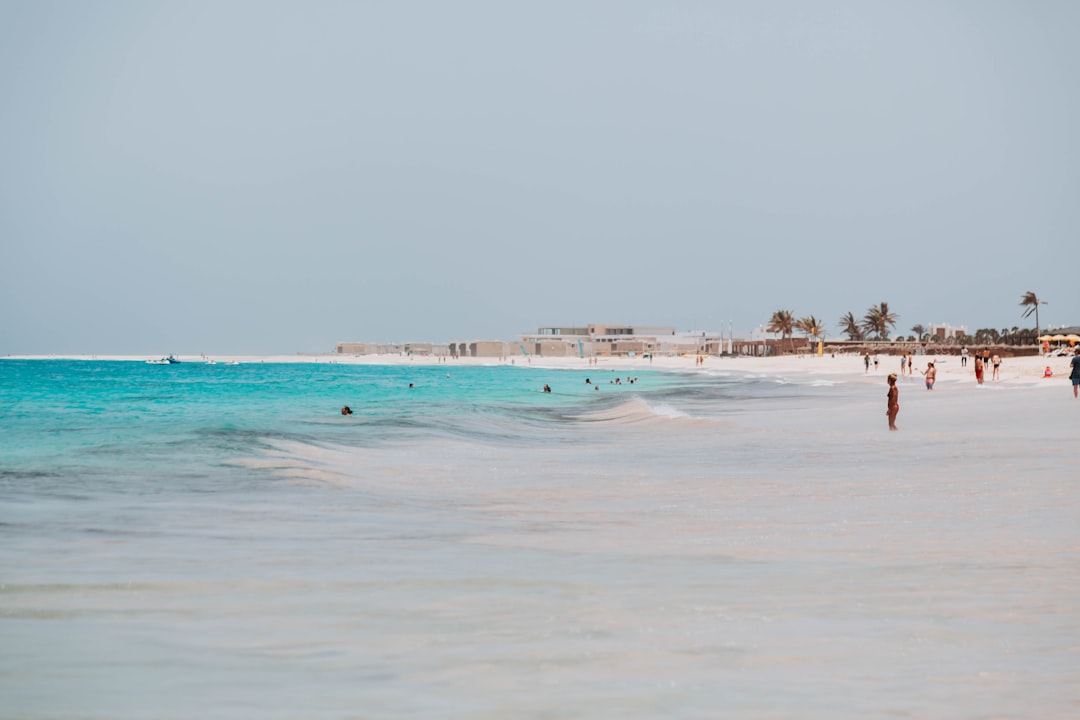
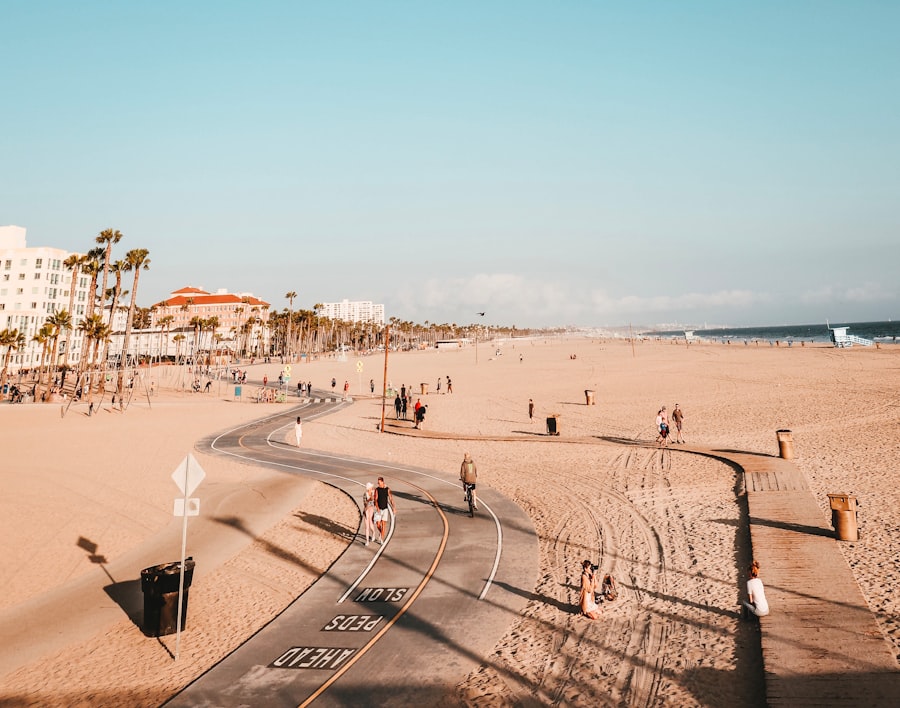
Sal is known for its white-sand beaches & flat, desert-like landscape, which contrast sharply with the rough terrain of Santo Antão. Surfers, kitesurfers, and sun worshippers all flock to this island, which is the ultimate sun-and-sea destination. Golden Shores in Santa Maria. The island’s primary tourist destination, Santa Maria, has a long stretch of golden sand and serene, turquoise waters that are ideal for swimming and snorkeling. With a bustling pier where local fishermen bring in their daily catch and a wide variety of eateries and bars serving fresh seafood and exciting entertainment, the town itself is lively.
| Metrics | Data |
|---|---|
| Population | 555,987 (2021) |
| Area | 4,033 sq km |
| GDP (nominal) | 2.045 billion (2020) |
| Capital | Praia |
| Official Language | Portuguese |
Pedra de Lume Salt Pans. The salt pans of Pedra de Lume, located inside an ancient volcano’s crater, offer a genuinely unique experience. The extremely salty water, which is reminiscent of the Dead Sea, allows visitors to float effortlessly while taking in the surreal surroundings and healing effects.
Fogo: The Heart of Volcano. The active stratovolcano Pico do Fogo dominates the landscape of Fogo, which translates to “fire” in Portuguese. This island provides a genuinely one-of-a-kind and unadulterated experience where the force of nature is evident. Pico do Fogo is conquered.
Climbing Pico do Fogo is a difficult but ultimately worthwhile experience. Adventurers are led on guided treks through solidified lava flows and black volcanic ash to the summit, which offers unmatched views of the island & its barren yet oddly lovely surroundings. When you reach the top, you feel a huge sense of accomplishment. A Community Born of Fire is Cha das Caldeiras.
Cha das Caldeiras, a special community that has learned to coexist peacefully with the active volcano, is located at its base. Their tenacious spirit is an inspiring example of human adaptability, and they grow grapes in the mineral-rich soil to produce a unique local wine. The music, food, and friendly, hospitable people of Cabo Verde reflect the country’s vibrant blend of African and European influences. The nation’s identity has been significantly shaped by its history as a transatlantic slave trade hub, giving rise to a distinctive Creole heritage. The Soulful Sound of Coladeira and Morna. Cabo Verde’s pulse is its music.
Often likened to Portuguese fado, the most famous genre is the melancholic yet lovely “morna”. Its moving lyrics & soulful melodies discuss love, longing, and the difficulties of living on an island. In contrast, “Coladeira” is more energetic, rhythmic, and frequently accompanied by vigorous dancing. The Cesák Évora Legacy.
The “Barefoot Diva,” Cesđ Évora, introduced Cabo Verdean music to the world. She became an enduring symbol of the country’s rich musical legacy thanks to her powerful voice & moving performances that enthralled audiences all over the world. Generations of Cabo Verdean musicians have been inspired by her spirit. Live Music Locations. From small bars to larger concert halls, there are many locations offering live music throughout the islands, particularly in Praia (Santiago) and Mindelo (São Vicente).
These offer a chance to see the contagious joy of Cabo Verdean dance & an authentic look into the thriving local music scene. A culinary delight is Creole cuisine. The cuisine of Cabo Verde is a delectable fusion of African and Portuguese flavors, with a focus on fresh seafood. The main course is “cachupa,” a filling stew made with beans, corn, and frequently slow-cooked fish or meat. A feast of fresh seafood. Seafood is a major part of the diet because of its oceanic location.
Rice and fresh vegetables are frequently served alongside grilled tuna, wahoo, and grouper. Octopus and lobster, prepared in a variety of delicious ways, are also popular. The local spirit is called grogue. The national alcoholic beverage is “grogue,” a strong rum made from sugarcane. A trip to a nearby distillery provides an opportunity to sample this powerful spirit and gain insight into its production.
It is frequently consumed neat or combined with cocktails. “Ponche,” a softer version made with grogue, honey, and lime, is also well-liked. Cabo Verde’s vast coastline and pristine waters make it a paradise for those looking for peaceful beach experiences and water sports. The Atlantic provides ideal conditions for a variety of activities as well as a playground for marine life. Hotspots for kitesurfers & surfers. Cabo Verde is a top surfing & kitesurfing destination due to its varied coastlines & steady trade winds.
Sal and Boa Vista are especially well-liked because of their long, sandy beaches and powerful winds. Ponta Preta: An ideal place for surfers. Ponta Preta on Sal is well-known throughout the world for its strong waves, drawing seasoned surfers from all over the world in the winter. Santa Maria’s calmer waters are perfect for beginners. Kitesurfing in Boa Vista and Sal.
Sal and Boa Vista are ideal for kitesurfing because of their wide bays and steady winds. All skill levels are catered to by the numerous schools that provide instruction and equipment rentals. A frequent and thrilling sight is the vivid sight of colorful kites .ting the horizon. Diving and Snorkeling: Discovering Underwater Worlds. The Cabo Verdean islands’ remarkable marine biodiversity makes them a great place to dive and snorkel.
There are a variety of fish species, shipwrecks, and volcanic reefs to discover. Investigating Boa Vista’s Shipwrecks. Boa Vista is especially well-known for its many shipwrecks, which are relics from earlier maritime commerce. These wrecks have been transformed into man-made reefs, drawing a variety of marine life & providing divers with exciting opportunities for underwater exploration.
varied marine life. In the warmer waters, divers and snorkelers may come across schools of vibrant fish, rays, sea turtles, and even nurse sharks. The water’s clarity frequently makes it possible to see well, which improves the underwater experience. While the main islands have unmatched attractions, Cabo Verde has a wealth of lesser-known locations and genuine local experiences that let tourists learn more about its natural beauty and culture.
É Nicolau: A Calm Retreat. Often disregarded, São Nicolau provides a tranquil haven away from the busier islands.
It has untamed mountains, lush valleys, and a slower pace of life that enables true cultural immersion. Hike and visit hot springs. Hiking trails on São Nicolau lead through verdant valleys & to expansive vistas.
After exploring for the day, guests can unwind in Carbeirinho’s natural hot springs, which are thought to have healing qualities. Tarrafal Bay and Ribeira Prata. A taste of traditional Cabo Verdean life can be found in the charming villages of Tarrafal Bay and Ribeira Prata. In modest local restaurants, tourists can savor fresh seafood while taking in the islanders’ everyday activities.
Praia: The Changing Capital. Cabo Verde’s vibrant capital is Praia, which is situated on the island of Santiago. It’s a thriving city that offers an alternative view of the country by combining history, business, and culture. The historic heart of the Plateau. The Plateau, Praia’s historic center, has quaint squares, government buildings from the colonial era, and more.
The famous lighthouse and the presidential palace are just two examples of the city’s rich history that can be discovered by taking a stroll through its streets. Sucupira Market. A trip to Mercado de Sucupira is a must if you want a genuine taste of local life. Vibrant colors, lively activity, and the scent of exotic spices create a sensory overload at this expansive outdoor market. Everything from clothing and fresh produce to regional handicrafts can be found here.
As Cabo Verde becomes more & more popular as a travel destination, sustainable tourism practices are crucial. To ensure its long-term appeal, it is essential to protect its natural beauty and assist local communities. supporting regional initiatives. Purchasing handicrafts directly from artisans, dining at family-run restaurants, and selecting local guesthouses are all straightforward ways to support the local economy & guarantee that tourism benefits the Cabo Verdean people. Prospects for ecotourism. Environmental conservation is given priority in a number of ecotourism-focused initiatives.
These include visits to protected areas, responsible marine excursions, & guided birdwatching tours, all of which promote respectful interaction with nature. conscientious waste management. In island nations like Cabo Verde, where resources can be scarce, it is imperative to be mindful of waste and reduce plastic consumption.
Visitors are urged to reduce their environmental impact and, if they can, take part in neighborhood cleanup projects. Cabo Verde provides an unmatched travel experience with its captivating fusion of African & European influences, striking landscapes, and friendly, resilient people. Every island has a different story to tell, from the sun-kissed beaches of Sal to the lush peaks of Santo Antão and the flaming heart of Fogo. Adventure, cultural immersion, & a lasting sense of wonder are all promised at this place, leaving each visitor with a deep appreciation for its unique beauty and spirit.
.
FAQs
What is Cabo Verde?
Cabo Verde, also known as Cape Verde, is a group of islands located off the coast of West Africa in the Atlantic Ocean. It is an independent island country and is known for its beautiful beaches, diverse culture, and music.
How many islands make up Cabo Verde?
Cabo Verde is made up of 10 main islands and 8 islets. The main islands are Santo Antão, São Vicente, Santa Luzia, São Nicolau, Sal, Boa Vista, Maio, Santiago, Fogo, and Brava.
What is the capital of Cabo Verde?
The capital of Cabo Verde is Praia, which is located on the southern coast of the island of Santiago. It is the largest city in the country and serves as its political and economic center.
What is the climate like in Cabo Verde?
Cabo Verde has a tropical climate with a dry season from November to July and a rainy season from August to October. The islands experience warm temperatures year-round, with average highs ranging from 25°C to 30°C.
What are some popular attractions in Cabo Verde?
Some popular attractions in Cabo Verde include the beaches of Sal and Boa Vista, the volcanic landscapes of Fogo, the historic city of Cidade Velha on Santiago, and the vibrant music and cultural scene found throughout the islands.








Leave a Reply