
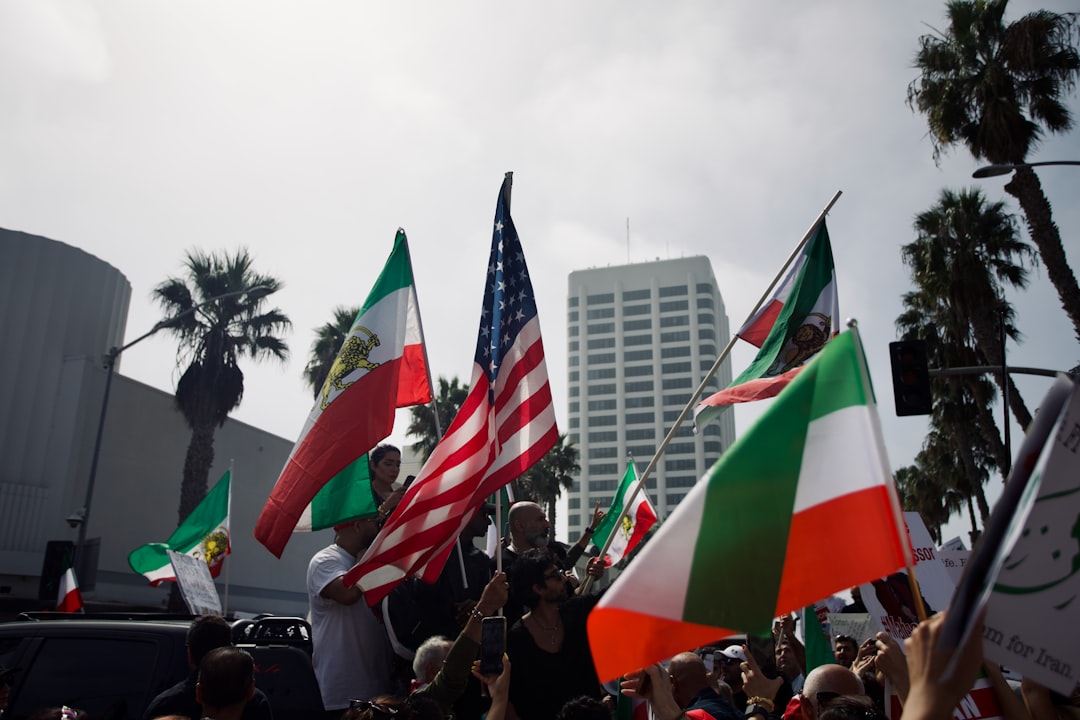
You’ve undoubtedly heard the headlines, “Iran and USA Sign MoU: World News!” It sounds significant, and it is, but let’s cut through the clutter to understand the true significance of this. In summary, Iran and the United States have signed a Memorandum of Understanding (MoU), which is a major diplomatic step forward. Although it’s not a complete economic agreement or a peace treaty, it’s a significant step in closing some of the long-standing gaps. Instead of thinking of it as a wedding, picture it as a handshake and a consensus on a particular matter.
This is not a total reversal of decades of complicated relations, nor is it the US suddenly becoming Iran’s best friend. It is about a targeted agreement that, depending on what it contains & how it is put into practice, could have both positive and negative repercussions. To fully appreciate the impact of this Memorandum of Understanding, it is essential to comprehend the details. We are discussing practical ramifications rather than merely diplomatic declarations.
Let’s examine the contents of this Memorandum of Understanding & its potential implications for the world and the region. A Memorandum of Understanding (MoU) is essentially a written agreement between two or more parties that outlines common goals and the intended course of action. However, it’s easy to get lost in acronyms and jargon.
As a public statement of intent, it has considerable weight but is less formal and legally binding than a treaty. Consider it a sincere pledge to work together on a particular project. The subtleties of an MOU: Not a Treaty, Not a Pact. It’s critical to recognize the differences between an MoU and other international agreements.
A treaty, for example, is typically a more formal, legally binding agreement that has undergone stringent ratification procedures. Conversely, an MoU is more adaptable. Although the specific obligations may be less strict, it signifies a shared understanding and a commitment to collaborate. But that doesn’t mean it’s unimportant.
| Country | MoU Status |
|---|---|
| Iran | Signed |
| USA | Signed |
It frequently serves as a prelude to more formal agreements or a means of fostering collaboration on matters where a full treaty might be too complicated or premature. laying the groundwork for future collaboration. In and of itself, signing an MoU can be a diplomatic victory. Even between nations with a tense past, it shows a willingness to interact, communicate, and find common ground. This specific MoU is not an anomaly.
It shows that, despite persistent difficulties, there are some areas in which cooperation between Iran and the US is advantageous to both countries. There is always a chance that this could lead to additional discussion on other, possibly more controversial, topics. The details of what this Memorandum of Understanding covers are the true story here. It is difficult to determine the true significance of a topic without knowing its specifics.
As always, the devil is in the details. Is it about a specific humanitarian issue, a regional security concern, or something completely different? Finding the main points of agreement will reveal a lot about the reasons for the signing and its possible consequences. Particular Domains of Collaboration: Beyond the News. The headlines can be wide when an MoU is reported.
The specifics, however, are what give the practical relevance. For example, the MoU’s impact will be much more focused & localized if it addresses disaster relief coordination rather than more general economic sanctions. It is crucial to know which industries or problems are being targeted for collaboration. This could entail joint efforts to combat drug trafficking, cooperation on maritime security, or even cultural exchange programs meant to promote understanding. Restricted Scope vs.
widespread consequences. It’s critical to determine whether this Memorandum of Understanding has a narrow, very specific scope or if it suggests a more significant change in policy. Even though it’s a step, a limited agreement might not significantly change the relationship as a whole.
However, a deeper comprehension might indicate a more substantial realignment of both countries’ diplomatic and strategic priorities. Making this distinction is essential for both accurate interpretation and foreseeing future developments. Every move made by powerful nations like the US and Iran is closely watched because the Middle East is a complicated chessboard. This Memorandum of Understanding may have profound effects on regional dynamics, possibly changing power dynamics and current alliances. The situation and the responses of other regional actors play a major role in determining whether it reduces tensions or unintentionally raises new ones. Effect on Adversaries and Allies, Important Regional Players.
This development will surely be closely watched by nations in the region that are close allies of either Iran or the United States. How will Saudi Arabia, Israel, or the Gulf states respond? Their reactions frequently determine the agreements’ practical efficacy & political ramifications. In a similar vein, countries that have previously been at odds with Iran will be evaluating whether this Memorandum of Understanding represents a shift in US policy that might have an impact on their own security. The two-edged sword of de-escalation or new tensions.
A delicate balancing act is often necessary in diplomacy. Although the goal of this MoU may be de-escalation, how it is interpreted & carried out may occasionally have unforeseen consequences. Even though the long-term objective is peace, it’s possible that perceived changes in alliances or perceived gains by one side could trigger counterreactions from others, possibly increasing regional instability in the short term. The international community will respond to this Memorandum of Understanding in a variety of ways. Depending on their own foreign policy goals, their current ties to the US & Iran, and their larger geopolitical interests, various nations will evaluate it.
There will probably be input from the European Union, the UN, and other international organizations. Major world powers’ responses: supporters and detractors. There will undoubtedly be input from the major international players, such as China, Russia, and the European Union. Their viewpoints may affect how the MoU is received internationally and even how it is carried out.
Depending on their own strategic assessments of Iran & the US, some may view it as a step in the right direction toward stability, while others may be cautious or even opposed. International organizations’ function: scrutiny or facilitation. In order to facilitate or scrutinize such agreements, international organizations can be extremely important. They may support the MoU’s implementation, especially if it addresses common global issues like environmental preservation or humanitarian aid. On the other hand, if the MoU is thought to be undermining international standards or current resolutions, they might also be asked to monitor compliance or voice concerns.
A Memorandum of Understanding is only the first step. The actual test is how it is put into practice. The success of this agreement depends on how well it is carried out and how eager Iran and the US are to build on this first step. Will both parties keep their end of the bargain?
Will there be ongoing communication and collaboration? Implementation Challenges: Obstacles and Barriers. Seldom is it easy to go from signing a contract to seeing real results.
There will probably be difficulties, both anticipated & unanticipated. These might include external meddling by regional or international players as well as internal political pressures within both nations. It will take a lot of diplomatic work and sincere dedication on both sides to overcome these challenges. Possibility of Greater Involvement: Outside the Purview of the MoU. Although this Memorandum of Understanding focuses on particular issues, its success may pave the way for more extensive engagement between Iran and the United States. If collaboration on the agreed-upon topics is successful, it could foster an atmosphere that is favorable to talking about more delicate and complicated issues.
Agreements on nuclear programs, business partnerships, or even security arrangements may fall under this category. But this is a long-term goal, and the current Memorandum of Understanding will be the immediate priority. To sum up, the signing of a Memorandum of Understanding between Iran and the United States is a significant development. It’s a significant diplomatic development that deserves attention for its practical ramifications as well as the headlines it makes. We can obtain a better understanding of this important global news by comprehending what an MoU is, exploring its particular content, taking into account regional and global reactions, & foreseeing the difficulties and possibilities of its implementation.
It serves as a reminder that diplomacy is a continuous, frequently complex process and that even modest actions can have a significant impact on the future.
.
FAQs
What is the MoU between Iran and the USA?
The MoU (Memorandum of Understanding) between Iran and the USA is a formal agreement that outlines the terms and conditions of their diplomatic relations and cooperation in specific areas.
What does the MoU cover?
The specific details of the MoU between Iran and the USA have not been disclosed, but it is likely to cover areas of mutual interest such as trade, security, and diplomatic relations.
What are the implications of the MoU for international relations?
The MoU between Iran and the USA could potentially signal a thaw in their historically tense relations and pave the way for increased cooperation and dialogue on various issues of mutual concern.
How does the MoU impact the ongoing tensions between Iran and the USA?
The MoU could potentially serve as a positive step towards de-escalating tensions between Iran and the USA, although the long-term impact remains to be seen.
What are the reactions to the signing of the MoU?
Reactions to the signing of the MoU between Iran and the USA are likely to vary, with some expressing cautious optimism and others remaining skeptical about the potential for meaningful change in their relations.













Leave a Reply