
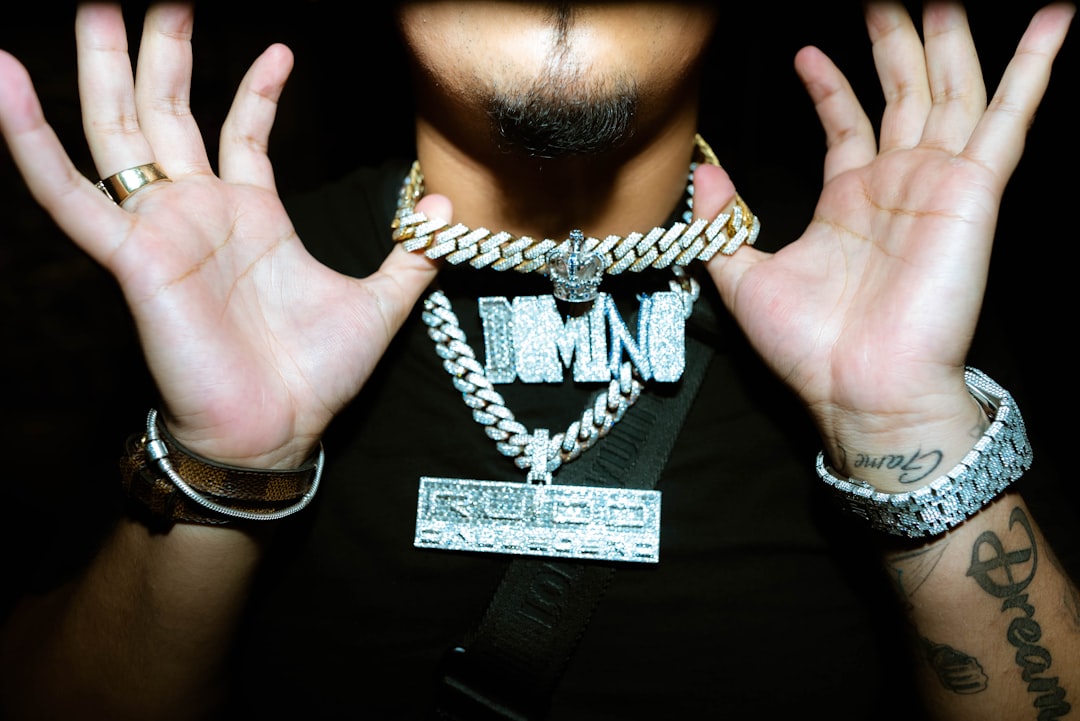
The music business has always been an erratic beast that has the power to both elevate and dismiss musicians with equal ferocity. However, in the midst of its constantly changing currents, some characters arise who defy genre, convention, or expectation. One such artist is Richard Colson Baker, also referred to as Machine Gun Kelly (MGK). His turbulent journey from Cleveland’s underground rap scene to becoming a legitimate rock star has been a master class in rebranding, artistic evolution, and sheer bold determination.
This piece explores the many facets of his rise, highlighting the turning points, stylistic changes, & indisputable charisma that have solidified his status as a genuinely singular force in modern music. Colson Baker was a young man familiar with the harsh realities of Cleveland, Ohio, before the stadium anthems and guitar riffs. His early artistic output was greatly influenced by his formative years, which were characterized by transience & a quest for belonging.
Childhood and Influences. Baker was born in Houston, Texas, but his family lived all over the world during his early years before relocating to Cleveland. He developed a sense of rebellion and a need for an outlet as a result of this ongoing turmoil and his tense relationship with his parents. Hip-hop emerged as that channel.
He was drawn to the unvarnished storytelling & lyrical skill of musicians like Eminem, DMX, and Ludacris because he found inspiration and comfort in their tales of hardship and victory. His early exposure to a variety of rap styles helped shape his unique vocal style and lyrical skill. The Mixtape Era: Creating a Stir. MGK started to establish himself in the Cleveland community in the late 2000s. His quick delivery of his rhymes earned him the nickname “Machine Gun Kelly,” a testament to his developing talent.
His early mixtapes, including “Lace Up” (2010) and “Stamp of Approval” (2007), were essential to his rise to fame. His lyrical aggression, acute observational skills, and ability to create catchy hooks were all on display in these independent releases, which were frequently shared through word-of-mouth & online forums. He was narrating the experiences of a generation struggling with disillusionment & a desire to flee, not just rapping.
| Metrics | Data |
|---|---|
| Albums Released | 5 |
| Grammy Awards | 0 |
| Billboard Hot 100 Hits | 3 |
| Collaborations | 12 |
As a call to arms for his devoted fan base, the phrase “Lace Up” came to represent his developing persona. Heavyweights in the industry were soon drawn to MGK’s mixtapes due to their undeniable buzz. Under the renowned Sean “Diddy” Combs, he signed with Bad Boy Records, an Interscope label, in 2011. He went from local celebrity to national recognition as a result of this momentous turning point.
“Lace Up” debut and mainstream breakthrough.
“Lace Up” (2012), his major label debut album, was well received both critically and commercially.
It included partnerships with well-known musicians like Young Jeezy, Ester Dean, and Waka Flocka Flame, securing his place in the mainstream hip-hop scene. Songs like “Wild Boy” with Waka Flocka Flame, which highlighted his rebellious spirit and exuberant performances, quickly became club anthems. A large audience connected with the album’s themes of defiance, pursuing dreams, and social critique, demonstrating that MGK was more than just a mixtape phenomenon. Developing His Musical Tastes.
Despite having a strong hip-hop foundation, MGK continuously showed an openness to experimenting with other genres. His early work frequently included rock and punk elements, foreshadowing the subsequent stylistic changes. He demonstrated his adaptability and natural drive to push boundaries by working with musicians from a variety of musical backgrounds. In hindsight, this genre-bending strategy was a clear forerunner to his later musical development, even though it may have seemed out of place to some die-hard hip-hop fans. He was a musician with a wide and daring taste, not just a rapper.
MGK underwent a significant change in artistic direction in the late 2010s. Despite the fact that his rap career was unquestionably successful, there was a strong feeling that he was looking for something more—a sound that more accurately represented his inner artist. This change was sparked by a partnership that would change the course of his career. The Pop-Punk Revival and Travis Barker.
His partnership with Travis Barker, the drummer for Blink-182, was the pivotal moment. A transformative partnership resulted from a shared love of punk rock & a desire to create something new & exciting. Barker, a seasoned pop-punk veteran, saw MGK’s innate rock star charisma & supplied the musical foundation for his transition. Their joint album “Tickets to My Downfall” (2020) was a clear step in the direction of pop-punk.
His reputation as a legitimate rock artist was cemented and he was compared to the pop-punk icons of the early 2000s thanks to the album’s commercial and critical success.
“Tickets to My Downfall” is a defining album. Beyond simply being an album, “Tickets to My Downfall” was a bold declaration of creative reinvention. Both a new generation of fans and those who were nostalgic for the pop-punk era found great resonance in the album’s raw energy, candid lyrics, & catchy melodies. Songs like “My Ex’s Best Friend,” “Bloody Valentine,” and “Concerts for Aliens” became huge hits, demonstrating MGK’s talent for writing catchy rock tunes. His unwavering artistic vision and his willingness to take calculated risks were demonstrated by the album’s success.
He was completely engrossed in rock, not just experimenting, and the outcome was amazing. MGK’s aspirations go well beyond the recording studio. His acceptance of a variety of artistic pursuits, such as acting & fashion, has strengthened his reputation as a versatile performer and a real rock star in the traditional sense. Acting profession and on-screen persona.
MGK had experimented with acting even prior to his complete shift to rock, making appearances in movies like “Beyond the Lights” (2014) & “Bird Box” (2018). His captivating on-screen persona and aptitude for portraying nuanced characters further demonstrated his versatility. As a result of his increased fame as a rock star, his acting career has flourished. He continues to show his adaptability and dedication to artistic exploration by taking on more significant roles.
His reputation as a well-rounded performer is strengthened by these endeavors, which enable him to engage audiences on a deeper level. Style and Fashion: A Visual Declaration. MGK’s unique sense of style has always been a crucial component of his public persona. His style has changed along with his music, from his early days of skate-punk aesthetics & baggy clothing to his current flamboyant rockstar attire.
He sets trends & is a style icon thanks to his daring choices, which frequently include vivid colors, distinctive silhouettes, & daring accessories. In addition to his music, this visual storytelling gives his fans a comprehensive artistic experience. His wardrobe selections are not merely arbitrary; rather, they are a purposeful extension of his artistic expression, defying convention and valuing uniqueness.
From Richard Colson Baker to Machine Gun Kelly, the journey has been one of constant self-expression and reinvention. He has created a distinct niche for himself in the cutthroat world of popular music by defying expectations and transcending genres.
“Mainstream Sellout” & More Research. With “Mainstream Sellout” (2022), MGK continued to refine his rock sound after the huge success of “Tickets to My Downfall.”. He continued to embrace his pop-punk identity with this album, which included collaborations with modern rock musicians while maintaining the unadulterated energy that characterized his earlier release.
His self-awareness & unreserved defiance were evident in the title alone, which was a nod to his detractors. He never settles into a comfortable niche and keeps pushing the envelope of what is expected of him. His artistic journey is characterized by this ongoing evolution.
Impact and Legacy. The influence of Machine Gun Kelly on music is indisputable. He has attracted a diverse fan base by successfully bridging the gap between hip-hop and rock, demonstrating that authenticity transcends genre limitations. His high-energy performances and his willingness to embrace vulnerability in his lyrics have forged a strong bond with his audience. Also, he has contributed significantly to pop-punk’s comeback by introducing the genre to a new generation & motivating innumerable aspiring musicians to defy classification.
His legacy is one of unwavering inventiveness, artistic bravery, and a potent illustration of the transformational potential of self-belief. The music industry is excited to see what new sonic landscapes he will discover next because his journey is far from over. Any artist who dares to question the status quo and pursue their own distinct artistic path in spite of criticism or expectations can find inspiration in his story. He has demonstrated that real stardom is about bravely making your own unique place in the cultural zeitgeist rather than trying to fit in.
.
FAQs
What does MGK stand for?
MGK stands for Machine Gun Kelly, which is the stage name of American rapper and actor Colson Baker.
What genre of music does MGK perform?
MGK is primarily known for performing rap and hip-hop music, but he has also dabbled in pop punk and alternative rock.
What are some of MGK’s popular songs?
Some of MGK’s popular songs include “Bad Things” featuring Camila Cabello, “Till I Die,” “Rap Devil,” “Bloody Valentine,” and “My Ex’s Best Friend” featuring Blackbear.
Has MGK appeared in any movies or TV shows?
Yes, MGK has appeared in several movies and TV shows, including “Bird Box,” “The Dirt,” “Nerve,” and “Roadies.”
Is MGK involved in any other business ventures?
In addition to his music and acting career, MGK has also ventured into the fashion industry with his own clothing line called “UN/DN LAQR.”






Leave a Reply