
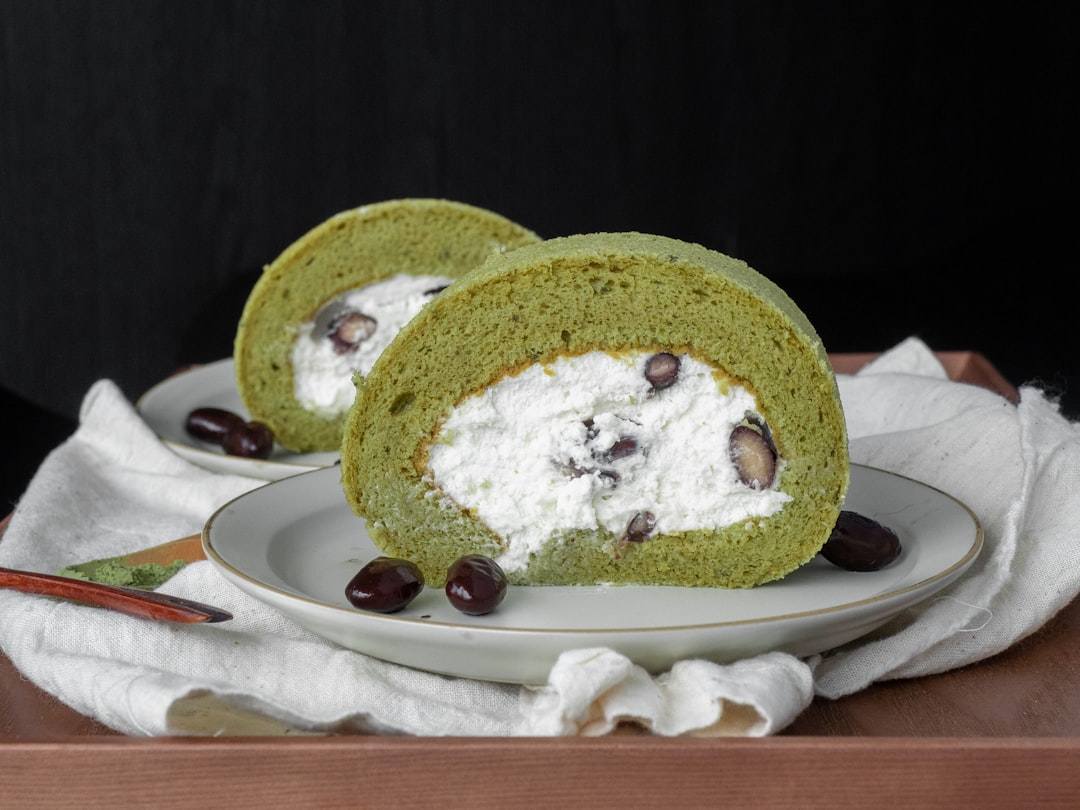
Yes! This is a third-person, over 1500-word article about a “Delicious Jelly Roll: A Sweet & Simple Dessert Recipe,” formatted according to the specifications. A dessert that embodies coziness, warmth, and a hint of nostalgia, the jelly roll is proof of the elegance of simplicity. Its basic ingredients—a soft sponge cake that has been perfectly baked, lightly sweetened, and liberally spread with colorful fruit jelly—are what give it its subtle elegance. The cake is then skillfully rolled into a delightful swirl. This traditional treat has been served on tables for many generations, changing to suit different tastes and events while never losing its essential appeal.
This dessert is accessible and satisfying for home bakers of all skill levels because it doesn’t require an advanced culinary degree. The method itself—the delicate folding, the cautious spreading, and the triumphant disclosure of the spiral interior—is part of its enchantment. Beyond its aesthetic appeal, the jelly roll provides a delightful textural interplay, with the smooth, frequently tart sweetness of the jelly replacing the airy lightness of the cake. It’s a delightful treat for an afternoon tea or the ideal way to end a meal. It’s a flavor combination that is both satisfying and refreshing.
This post will explore the basic ingredients of a delicious jelly roll, provide helpful advice, & offer a simple recipe that promises delicious results. Knowing What Makes a Perfect Jelly Roll. A jelly roll is fundamentally a harmony of flavors & textures rather than merely a collection of ingredients. This dessert’s success depends on a few essential components, each of which is vital to the finished product.
Every element, from the consistency of the jelly to the structure of the cake, adds to the overall experience. Knowing these basic ideas enables the baker to avoid possible pitfalls and produce a genuinely delicious outcome. A light and airy sponge cake serves as the foundation.
The jelly roll’s masterpiece is painted on the sponge cake. Its airiness & lightness must be its main attributes. This is accomplished by carefully adding air to the batter, usually by whipping the eggs and sugar until they are fluffy & light. This aerated structure is crucial for two main reasons: first, it prevents the cake from cracking when rolled, and second, it gives the cake a soft, yielding texture that goes well with the jelly. A dense or heavy sponge will unavoidably result in a roll that is crumbly and cracked, which will lessen its visual and tactile appeal.
| Aspect | Metrics |
|---|---|
| Calories | 200 per serving |
| Sugar | 15g per serving |
| Fat | 10g per serving |
| Protein | 2g per serving |
Thus, the first step to perfecting jelly rolls is learning how to make a soft sponge. The part eggs play. The sponge cake’s unsung heroes are the eggs. Their yolks add color and richness, while their proteins give them structure.
But the whipping of the egg whites is what makes the sponge magical. Egg whites become a stable foam that traps microscopic air bubbles when beaten with sugar. In many sponge cake recipes, this aeration serves as the main leavening agent, doing away with the need for chemical leaveners like baking soda or powder, which can occasionally add a faint aftertaste. This whipped egg white mixture must be carefully folded into the other batter ingredients. The valuable air bubbles may be deflated by overmixing at this point, making the cake denser.
On the other hand, undermixing will lead to an uneven distribution of the airy structure. Sugar’s Diverse Role. Sugar serves more purposes than just making a sponge cake sweet.
It is essential for keeping the whipped egg whites stable, maintaining their volume, & producing a more durable foam. Also, sugar interferes with the development of gluten, which makes the cake more tender. Also, it helps retain moisture, which keeps the cake soft and prolongs its freshness. The exact amount of sugar is crucial; too little could make the meringue less stable, and too much could make the cake sticky and more likely to tear.
The structural component is flour. Even though a sponge cake uses less flour than a pound cake, it is still a necessary ingredient for structure. For sponge cakes, cake flour—which has less protein—is frequently chosen because it produces less gluten, which makes the crumb softer. The type of flour and how it is incorporated are equally important.
Usually, it is sifted and then gently folded into the mixture of aerated eggs. The cake stays light and delicate because the development of tough gluten strands is prevented by this delicate incorporation. The Star is a colorful & tasty jelly filling.
The jelly is the colorful center of the jelly roll, adding color and a delightful contrast to the cake’s subtle sweetness. The choice of jelly is a matter of taste and can include more unusual fruit flavors as well as traditional strawberry or raspberry. A jelly filling’s consistency and flavor intensity are crucial to its success.
Attaining Appropriate Consistency. Too much runny jelly will seep into the cake, making it soggy and challenging to roll. On the other hand, an overly rigid jelly may be difficult to distribute uniformly and may form a thick layer inside the roll. The jelly should ideally be spreadable & thick enough to maintain its shape.
Because they are easily accessible & provide a good starting point, many bakers choose to use pre-made jellies or preserves. Making your own jelly, however, gives you more control over flavor & sweetness. Before applying the jelly to the cake, make sure it has cooled down enough. If the jelly is hot, it will melt the butter and make the cake too delicate. Flavor combinations and profiles.
The flavor of the jelly can have a big impact on how the jelly roll tastes overall. Traditional fruit jellies, such as apricot, strawberry, and raspberry, are always popular because of their bright, slightly tart flavors that contrast with the cake’s richness. Use a tart cherry preserve, a mixed berry jelly, or even a citrus marmalade for a more elegant twist. The jelly should have just the right amount of sweetness—not too much.
The jelly should complement the cake rather than overpower it. Take into account the cake’s richness; a lighter cake can tolerate a sweeter fruit spread, but a richer cake might benefit from a tangier jelly. The Art of the Roll: Strategy and Success Advice. The most famous and, for some, scariest part of creating a jelly roll is rolling the cake.
However, it can be an unexpectedly fulfilling process with a few essential strategies and a little perseverance. Making a lovely spiral without breaking the delicate sponge is the aim. Getting the cake ready to roll. Proper preparation is essential before the rolling even starts.
This begins with the actual baking. The cake will become brittle and dry out if it is overbaked, and it will almost certainly crack. Conversely, underbaking will produce an overly moist cake that might adhere to the parchment paper. Bake the cake until a toothpick inserted in the center comes out clean & it springs back slightly when touched. It’s important to let the cake cool a little on a wire rack while it’s still in the baking pan.
For the cake to firm up just enough to handle, this initial cooling time is crucial. The Critical Cooling Stage. Once the cake has partially cooled in the pan, turn it over onto a fresh kitchen towel that has been liberally sprinkled with powdered sugar.
By absorbing any remaining moisture and acting as a non-stick barrier, this powdered sugar keeps the cake from adhering to the towel. The next step is to carefully remove the parchment paper. To promote a cleaner release, some bakers even suggest lightly scoring the cake’s underside at the corners with a sharp knife. After removing the parchment, the cake must cool fully on the towel.
This is not an urgent step. Cakes that are warm are much more likely to tear. When it comes to cooling a jelly roll cake, patience is a virtue. The Rolling Method: A Comprehensive Guide. The rolling process can start after the cake has completely cooled. Each of the two main techniques for rolling a jelly roll has advantages of its own.
The more contemporary method involves completely cooling the cake before spreading and rolling, whereas the traditional method involves rolling the cake while it is still warm. The latter may be a little more accommodating to a novice. Method 1: The classic warm roll. The residual warmth and pliability of the cake are essential to this technique.
The cake is immediately flipped onto a prepared towel dusted with powdered sugar after it has cooled slightly in the pan (warm but not hot to the touch). Gently remove the parchment paper. The cake is then carefully rolled up from one short end while still warm, guided & supported by the towel.
Encouraging the cake to bend and form without breaking is the goal. After rolling, it is allowed to cool fully so that its shape can solidify. This technique necessitates precise timing but can produce a very tender result. The Cooled Roll with Jelly Spread is Method 2.
This approach is frequently thought to be more user-friendly. The cake is left to cool fully on the towel as previously mentioned. It is carefully unrolled after it has completely cooled. In order to avoid excessive oozing, the cooled jelly is then evenly applied to the cake’s surface, leaving a thin border around the edges. After that, the cake is rolled again, beginning at the same short end. Once more, the towel helps with the rolling process by offering support & guaranteeing a tight, uniform roll.
Because you can see the cake’s structure more clearly and respond to any indications of cracking, this method gives you more control. Suggestions for a Smooth Roll. A seamless roll can be achieved with a few tips, regardless of the technique selected.
Don’t Overfill: Avoid overstuffing, regardless of the quantity of jelly or any other fillings like whipped cream. During the rolling process, too much filling will unavoidably squeeze out, making a mess and jeopardizing the roll’s tidy appearance. Apply firm yet gentle pressure when rolling.
Encourage the cake to roll tightly, but don’t press down so hard that the sponge gets compressed or cracks. Use the Towel: When rolling, the towel is your best ally. Throughout the procedure, use it to support, lift, and guide the cake. It keeps the cake from sticking and helps to form a uniform roll. Accept Imperfection: Every baker, no matter how skilled, occasionally cracks.
Don’t allow a small flaw to stop you. A glaze drizzle or a dusting of powdered sugar can tastefully cover minor imperfections. What really counts is the taste! Like any skill, mastering the jelly roll requires practice. If your initial effort isn’t worthy of a magazine, don’t give up.
You will learn more about the texture of the cake and how to handle it with each try. A Easy Recipe for Sweet Jelly Rolls. This recipe offers a simple method for making a delectable jelly roll. It highlights the essential components, making it approachable for inexperienced bakers while still producing outstanding results. Ingredients for the Sponge Cake:.
Four large eggs, at room temperature. Granulated sugar, 100g (½ cup). Sifted cake flour, 100g (¾ cup). Vanilla extract, one teaspoon.
What’s in the jelly filling?
200g (roughly 1 cup) of high-quality fruit preserves or jelly (strawberry, raspberry, or apricot are suggested). Ingredients for Finishing:. Dust with powdered sugar and serve with it.
A light glaze or fresh berries are optional. Equipment Required.
13×18-inch (33×43 cm) half-sheet or jelly roll pan. paper with parchment. rack of wire.
Wash a kitchen towel. electric mixer (stand or handheld). The spatula.
The knife is sharp. Guidelines. Set the oven temperature to 180°C (350°F) and prepare the pan. Grease the jelly roll pan & line it with parchment paper, making sure the sides hang over.
Make sure the parchment paper is greased. This guarantees that removing the cake will be simple. Beat the Eggs & Sugar: Beat the eggs in a big bowl on medium-high speed until they are frothy and pale yellow.
Add the granulated sugar gradually and beat until the mixture is thick, pale, & has tripled in volume; when the beaters are lifted, ribbons will form. An electric mixer can complete this task in five to seven minutes. Add the extract of vanilla and stir. Include the Flour: Gently sift the cake flour onto the mixture of eggs.
Gently stir the flour into the egg mixture with a spatula until just incorporated. Avoid overmixing as this will cause the air bubbles to deflate. Rather than overmixing, a few tiny flour streaks are preferable.
To bake the cake, spread the batter gently to the edges and pour it evenly into the prepared pan. The cake should be golden brown and gently spring back after 12 to 15 minutes of baking. It should be thoroughly cooked without losing its moisture. Cooling and Rolling Preparation: While the cake bakes, cover your work surface with a fresh kitchen towel and liberally dust it with powdered sugar. Conventional Warm Roll Method (Suggested for this recipe): As soon as the cake is baked, turn it over onto the towel that has been prepared.
Take care when removing the parchment paper. Allow the cake to cool on the towel for ten to fifteen minutes, or until it is warm enough to handle. Cooled Roll Method (Alternative): If you would rather wait, allow the cake to cool in the pan for five minutes before flipping it onto the ready-made towel to finish cooling. Spread the Jelly: If the warm roll method is being used, carefully unroll the slightly heated cake onto a new surface (or keep it rolled and open it carefully). Now unroll the cake if it has fully cooled. To avoid excessive oozing, spread the fruit jelly or preserves evenly across the cake’s surface, leaving a thin border around the edges (roughly 1 cm or ½ inch).
Roll the Jelly Roll: Using the towel to help lift and guide the cake, start rolling it tightly from one of the short ends. Without pushing, roll as tightly as you can. After rolling, neatly tuck in the ends.
Chill to Set: Put the rolled jelly roll on a wire rack after tightly wrapping it in the towel (or plastic wrap, if you’d rather). After letting it cool fully at room temperature, place it in the refrigerator for at least an hour, or until it solidifies. The jelly roll retains its shape thanks to this chilling process. Serve: After the jelly roll has cooled and solidified, remove the wrapping. Add a generous amount of powdered sugar. With a sharp knife, cut into individual pieces.
Instantaneously serve. Enhance Your Jelly Roll with Variations and Decorations. Even though the traditional jelly roll is delicious on its own, there are many ways to customize & improve this straightforward dessert. These variations accommodate various tastes & occasions while allowing for creative expression. Beyond the Berry: Examining Various Jelly Tastes.
Selecting jelly is arguably the easiest way to customize. Although raspberry and strawberry are conventional, don’t be afraid to try new things. Cherry preserves add a richer, more complex flavor, while apricot jelly offers a sophisticated tang. Mango or passionfruit preserves can be a revelation for those who like a tropical twist. Even a high-quality fig jam can add a refined touch. Because the cake is already slightly sweetened, make sure your jelly isn’t too sweet.
Citrus Zing: A Tangy Balance. A citrus-based jelly would be a welcome change. When thickened enough, lemon curd can provide a delightfully tart and vibrant contrast. Orange or grapefruit marmalade can add a refined bitterness, while lime marmalade gives a zesty kick. For slicing through richer cakes, these citrus options work especially well.
Spiced Notes: Including complexity and warmth. Think about adding warm spices to your jelly or even your cake batter for a more fall or wintery vibe. A delightful complexity can be added with a hint of cardamom, nutmeg, or cinnamon. Two great options would be a cranberry and orange preserve or a spiced apple jelly.
Layers of texture and flavor are added. There’s more to the jelly roll’s beauty than just the cake and jelly. It can be made into an even richer treat with more layers.
Frostings and whipped cream are examples of creamy additions. A traditional and popular addition is to spread a layer of whipped cream that has been slightly sweetened over the jelly before rolling. It contributes a delightful contrast in texture and a wonderful creamy richness. A straightforward buttercream or cream cheese frosting would make a more substantial frosting. When adding these fillings to the cake, make sure they are not overheated.
Chocolate Delight: Ganache and Cocoa. A chocolate sponge cake is an excellent foundation for chocolate lovers. Use unsweetened cocoa powder in place of a portion of the cake flour. You can choose a rich chocolate ganache or a ganache with fruit flavor, or you can leave the jelly filling in place.
A chocolate jelly roll goes well with a raspberry or cherry jelly. Fresh berries and compotes add a fruity touch. Fruit flavor is provided by the jelly, but its freshness and texture can be improved by adding fresh berries or a straightforward fruit compote.
Blueberries, raspberries, or strawberries are great options. Fruit can be quickly made into a compote by simmering it with a little sugar and lemon juice until it thickens slightly. Decorative Details: The final touch. You can make the final jelly roll presentation as simple or as complex as you like.
The traditional dusting method is powdered sugar. The most classic and possibly the most elegant way to finish is with a generous dusting of powdered sugar. It adds a hint of sweetness and gives the rolled cake a crisp, matte contrast.
For a uniform distribution, use a fine-mesh sieve. Drizzling and Glazing: Adding Flavor & Shine. A straightforward glaze consisting of powdered sugar & a liquid (such as milk, lemon juice, or fruit juice) can provide an additional layer of flavor and a lovely sheen.
Drizzle the rolled cake with melted chocolate or an icing of a different color for a more striking presentation. Garnishes and edible flowers. For special occasions, think about adding a sprig of mint, a scattering of fresh berries, or fresh edible flowers to your jelly roll. These little details can greatly improve the visual appeal.
The Jelly Roll’s Persistent Allure. Dessert lovers still have a particular place in their hearts for the jelly roll because of its delicious execution and understated simplicity. It’s proof that delectable, unforgettable treats don’t always need intricate methods or unusual ingredients. The delight of a jelly roll is its easy preparation, its reassuring familiarity, and its capacity to make people smile.
This rolled confection offers a delightful balance of flavors and textures that is timeless, from sophisticated afternoon teas to childhood birthday celebrations. The skill of making jelly rolls is worth developing, not only for the delectable outcomes but also for the pure joy of producing something that everyone adores. The jelly roll is a delightful reminder that sometimes the most profound pleasures can be found in the most basic of creations, regardless of whether you choose to stick to tradition or experiment with creative variations. Its adaptability, comforting qualities, and the pure joy it delivers with each delicate bite & sweet swirl are what make it so appealing. There’s a reason it’s a timeless classic.
.
FAQs
What is a jelly roll?
A jelly roll is a type of sweet dessert made by rolling a thin layer of sponge cake or sponge cake-like pastry around a sweet filling such as jam, cream, or icing.
What are the ingredients in a jelly roll?
The main ingredients in a jelly roll typically include flour, sugar, eggs, and flavorings for the sponge cake, as well as a filling such as jam, cream, or icing.
How is a jelly roll made?
To make a jelly roll, a thin layer of sponge cake batter is spread onto a baking sheet and baked until just set. Once baked, the cake is then rolled up with the filling inside and allowed to cool before serving.
What are some popular variations of jelly rolls?
Some popular variations of jelly rolls include using different flavors of jam or fruit preserves for the filling, adding nuts or chocolate chips to the sponge cake batter, or incorporating different flavors into the cream or icing filling.
What is the origin of the jelly roll?
The jelly roll is believed to have originated in Europe, with variations of the dessert appearing in different countries such as Switzerland, Austria, and England. It became popular in the United States in the 19th century and has remained a beloved dessert ever since.













Leave a Reply