
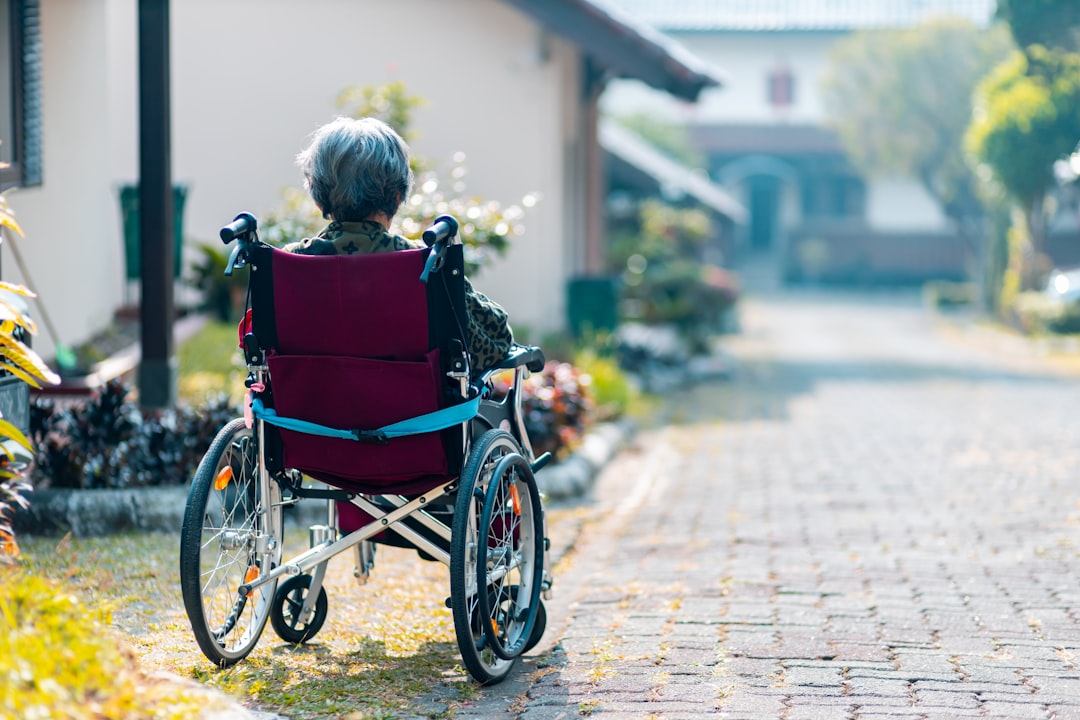
Dementia is a progressive brain disease that causes cognitive abilities to deteriorate, which can affect thinking, memory, & social interaction. It is a general term that refers to a variety of symptoms linked to a loss of brain function rather than a particular disease. Although dementia is frequently linked to aging, it is not a necessary aspect of getting older. For those impacted, their families, and caregivers, it is essential to comprehend its subtleties, identify its early warning signs, and know where to find support.
By describing the common signs and symptoms of dementia, examining its progression, and emphasizing the essential support networks available, this thorough guide seeks to demystify the condition. Memory loss is only one aspect of dementia’s nature. Dementia is fundamentally a sign of declining cognitive abilities. A person’s ability to carry out daily tasks and interact with their surroundings is negatively impacted by this decline, which is substantial enough to interfere with daily life. Even though memory loss is a common symptom of dementia, it’s important to understand that the illness includes a wider range of cognitive deficits.
Different causes, comparable effects. The term “dementia” is broad & has many different underlying causes. The symptom profiles and rates of progression of each underlying cause may differ slightly. The most frequent culprit is Alzheimer’s disease.
60–80% of dementia cases are thought to be caused by Alzheimer’s disease.
Amyloid plaques and tau tangles, two abnormal protein accumulations in the brain, are its hallmark. These deposits eventually cause brain cells to die by interfering with their ability to function. Usually, the illness develops gradually, beginning with mild memory loss & progressing to more significant cognitive and behavioral abnormalities. The Effect of Blood Flow on Vascular Dementia.
Conditions like strokes or progressive blood vessel damage that impact blood flow to the brain can result in vascular dementia. Compared to Alzheimer’s, this kind of dementia can appear more suddenly, with symptoms emerging in “steps” after a stroke. The location & severity of the damaged brain regions greatly influence the particular symptoms. Protein deposits and varying symptoms are indicative of Lewy body dementia.
| Age Group | Prevalence of Dementia |
|---|---|
| 65-69 | 2% |
| 70-74 | 4% |
| 75-79 | 7% |
| 80-84 | 12% |
| 85+ | 20% |
Lewy bodies, aberrant protein deposits in nerve cells, are a hallmark of Lewy body dementia. Cognitive decline, Parkinsonian motor symptoms (such as tremors and rigidity), and visual hallucinations are frequently present in this condition. Lewy body dementia is characterized by fluctuations in cognitive ability, with periods of lucidity and alertness interspersed with drowsiness & confusion. Changes in behavior and personality in frontotemporal dementia. The frontal and temporal lobes of the brain are the main areas affected by a group of disorders known as frontotemporal dementia.
These areas are in charge of language, behavior, and personality. As a result, people with FTD may undergo substantial personality, emotional control, and social behavior changes, frequently prior to the onset of noticeable memory issues. Additional contributing factors. Parkinson’s disease, Huntington’s disease, Creutzfeldt-Jakob disease, and some autoimmune diseases or infections can all cause dementia, though the aforementioned are the most common causes.
If dementia is brought on by treatable illnesses like vitamin deficiencies, thyroid issues, or infections, it may occasionally be reversible. A Call for Vigilance: Identifying the Early Signs. Early dementia symptoms are frequently mild and easily confused with typical aging-related changes.
On the other hand, persistent or worsening cognitive issues call for professional assessment and care. Cognitive Shifts: Going Beyond Forgetting. Although memory loss is a common symptom, there are other cognitive changes to watch out for.
There is more to memory impairment than just sporadic lapses. It’s common to occasionally forget names or appointments. Dementia, however, can cause people to ask the same questions over and over again, become disoriented in familiar locations, or forget significant dates and occasions.
Recent events are frequently more impacted by this memory loss than distant ones. Planning and problem-solving challenges. Managing money, following a recipe, or planning a familiar route are examples of tasks that can become difficult. People may find it difficult to focus or finish tasks, exhibiting problems with reasoning and making decisions. Communication & Language Challenges.
It can get harder to follow conversations or come up with the right words to convey ideas. They could repeat themselves, pause in the middle of a sentence, or use general terms. While misplacing items can also be a symptom, a crucial distinction in dementia is the incapacity to retrace steps in order to locate them. Changes in Behavior & Personality: An Intimate Look. Mood, behavior, and personality changes can all be equally indicative of dementia.
Emotional instability & mood swings. People may have unexplained mood swings, exhibiting unusual levels of irritability, anxiety, or apathy. Also, they may stop participating in social events or lose interest in past pastimes. confused and disoriented. It is typical for people to become increasingly confused about the time, date, or their surroundings. Even in familiar environments, they might have trouble understanding where they are or how they got there.
Decision-making and judgment are impaired. Dementia can seriously impair judgment, resulting in bad choices about money, one’s own safety, or social relationships. They may be more prone to fraud or show a disregard for personal hygiene. alterations in social behavior.
People may exhibit atypical outbursts of anger or aggression, withdraw, or become unusually suspicious. Decreased social inhibitions may result in offensive comments or behaviors. A Journey Through Stages in the Development of Dementia.
Since dementia is a progressive illness, its symptoms get worse over time. Families can prepare and adjust by knowing the general stages, even though the pace and particular manifestations vary. Early Phase: The Delicate Beginning. Early on, people can frequently operate on their own with only small modifications.
Others might not notice the slight changes in cognition right away. subtle improvements in word recognition & memory. Long-term memories are frequently unaffected, while short-term memory starts to suffer. Finding the correct words or remembering names may be difficult. mild difficulty completing complicated tasks.
Multiple-step tasks, such as meal planning or checkbook balancing, may become more difficult. Social and Emotional Transitions. Increased frustration, anxiety, or a propensity to retreat from social situations because of embarrassment or trouble keeping up with conversations are all possible.
Middle Stage: Growing Reliance. As dementia worsens, the symptoms worsen and people need more help with everyday tasks. considerable disorientation and memory loss. The degree of memory loss increases, impacting both recent & historical events. Time & location disorientation is frequent. challenges in completing daily tasks.
Dressing, taking a shower, and eating are examples of personal care tasks that can become difficult without help. They may have trouble identifying well-known individuals or locations. Psychological & behavioral symptoms.
There may be an increase in agitation, irritability, suspicion, and even delusions or hallucinations. Sleep patterns could be disturbed. Profound impairment is the late stage. People are heavily reliant on others for all aspects of care during the final stages.
Physical skills deteriorate & communication is severely restricted. Cognitive decline is significant. People may become incapable of identifying loved ones, communicating clearly, or comprehending their environment.
reduction in physical capabilities. Walking, sitting, and eventually swallowing can become difficult due to severe mobility impairment. total reliance on carers.
24-hour care is necessary for comfort, safety, and basic needs.
Finding a diagnosis and comprehending the causes. Getting the right care, support, & possible treatments depends on a timely and accurate diagnosis. If you or a loved one experiences long-term cognitive changes, it’s critical to see a doctor. The Diagnostic Process: A Comprehensive Method. A thorough assessment is necessary to rule out other illnesses & pinpoint the precise cause of dementia.
A physical examination and medical history. Physicians will collect comprehensive data regarding family history, lifestyle, and symptoms. Finding any underlying medical conditions is aided by a physical examination. Neuropsychological and cognitive tests. These assessments gauge one’s ability to think, remember, solve problems, and use language.
They aid in determining the degree and pattern of cognitive impairment. Imaging methods for the brain. An MRI or CT scan can be used to see the structure of the brain & detect any physical anomalies that may be causing symptoms, such as tumors or strokes.
Changes in brain activity and the accumulation of Alzheimer’s-related proteins can occasionally be detected by PET scans. Blood tests as well as additional research. To rule out reversible causes of dementia, such as vitamin deficiencies, thyroid issues, or infections, blood tests are carried out.
Early Detection: The Benefit of Quick Action. There are many advantages to early detection. It enables the following. Access to Treatment and Management: Although most types of dementia have no known cure, medications and therapies can help control symptoms and, in certain situations, slow the disease’s progression. Future Planning: Individuals and their families can make well-informed decisions regarding financial, legal, and care arrangements when they receive an early diagnosis.
Emotional and Psychological Support: Knowing the diagnosis makes things clearer and makes counseling & support groups accessible. Enrollment in Clinical Trials: Early detection of some forms of dementia may make it possible to take part in studies & clinical trials for novel treatments. Professional and social support networks are crucial. It can be difficult to live with dementia, whether you are a caregiver or an individual with the illness. Navigating the intricacies of the illness requires strong support networks.
Professional Assistance: Choosing Therapeutic and Medical Paths. When it comes to diagnosis, treatment, and continuing care, healthcare professionals are essential. both neurologists & geriatricians. These professionals are essential for making the initial diagnosis, treating the medical aspects of dementia, and writing prescriptions for the right drugs.
therapists & advisors. Occupational therapists can help with activities of daily living, speech therapists can help with communication issues, and mental health counselors can help with emotional & behavioral issues. Social workers and coordinators of care. These experts are able to put people & families in touch with community programs, support services, and resources. Creating a Network of Care through Social and Community Support. A robust social network can offer priceless emotional, practical, and informational support in addition to medical professionals.
Support groups for dementia sufferers. People can learn coping mechanisms, exchange experiences, & feel less alone in these safe spaces. Carer support groups. Support groups for caregivers are crucial for exchanging burdens, receiving helpful guidance, and receiving emotional comfort from others going through comparable difficulties. Services for Restorative Care.
Respite care gives caregivers short-term respite, which is essential for avoiding burnout. Day programs & local resources. Numerous communities provide day programs that give people with dementia engaging activities, social interaction, and supervision, providing caregivers with a much-needed respite. Dementia organizations and associations for Alzheimer’s. For those impacted by dementia, these organizations are great resources for advocacy, educational materials, information, and helplines.
In conclusion, a path forward with compassion & knowledge. Dementia is a complicated and frequently difficult illness that has a significant effect on both the affected person and their loved ones. However, it is possible to navigate this journey with greater understanding and resilience if you have access to strong support networks and are well-informed about its signs, symptoms, and progression. Comprehensive care, early detection, and compassion are crucial.
We can work to enhance the quality of life for people with dementia & enable their caregivers to give the best care possible by raising awareness, promoting candid communication, and bolstering support systems. In order to maintain dignity and well-being at the forefront, the future requires constant learning, adaptation, and unwavering empathy.
.
FAQs
What is dementia?
Dementia is a general term for a decline in mental ability severe enough to interfere with daily life. It is not a specific disease, but rather a group of symptoms caused by disorders that affect the brain.
What are the common symptoms of dementia?
Common symptoms of dementia include memory loss, difficulty communicating, impaired judgment, disorientation, and changes in mood and behavior. These symptoms can vary depending on the cause of the dementia.
What are the main causes of dementia?
The most common cause of dementia is Alzheimer’s disease, accounting for 60-80% of cases. Other causes include vascular dementia, Lewy body dementia, frontotemporal dementia, and mixed dementia.
Is there a cure for dementia?
Currently, there is no cure for most types of dementia. However, there are treatments available to help manage the symptoms and improve the quality of life for those with dementia.
How can dementia be prevented?
While there is no guaranteed way to prevent dementia, certain lifestyle choices such as regular physical exercise, a healthy diet, not smoking, and maintaining social and cognitive engagement may help reduce the risk of developing dementia.













Leave a Reply