
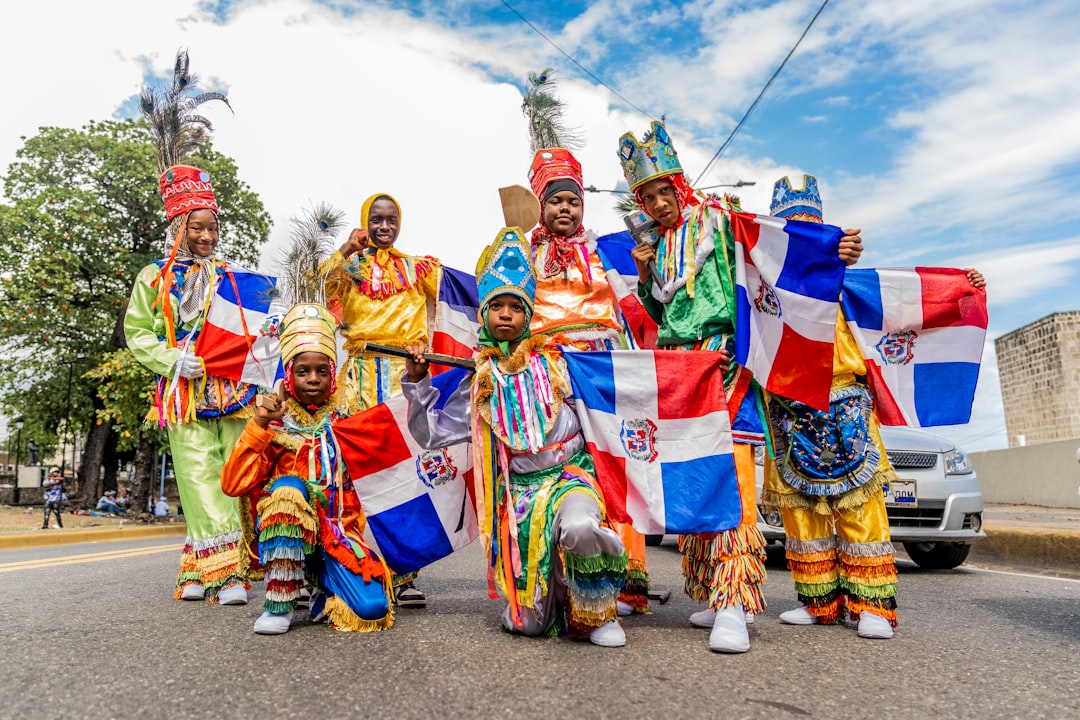
The yearly Puerto Rican Day Parade is a colorful show that honors the resilient spirit and diverse cultural heritage of the Puerto Rican people. The parade is more than just a procession; it is a living, breathing representation of identity, heritage, and community pride. It is held with great enthusiasm in a number of cities, most famously along its famous route down Fifth Avenue in New York City. Every float, banner, & costume in the Puerto Rican Day Parade tells a tale, making it a kaleidoscope of visual beauty.
The parade is a spectacular show of patriotism, bathed in the vivid colors of the Puerto Rican flag: the crimson of bravery, the pure white of peace, & the lone blue star signifying the island’s unique identity. The contagious rhythms of bomba and plena, traditional music rooted in the island’s African and Taíno heritage, fill the air. Dancers move with grace and energy while wearing ornate, festive clothing, captivating spectators with their contagious joy.
The flag’s unfolding. The Puerto Rican flag is proudly unfurled at the center of the procession. This act is a potent symbol of memory, resiliency, and belonging that goes beyond simple visual cues. For Boricuas dispersed throughout the world, the flag’s vivid colors and lone star act as a reminder of their homeland and common ancestry.
A stunning sea of red, white, & blue that extends as far as the eye can see is created by spectators frequently waving their own smaller flags. Youngsters enthusiastically point and cheer while absorbing the spirit of their cultural heritage, frequently donning the island’s colors in their apparel & accessories. The Island’s Beats. Like its visual components, the Puerto Rican Day Parade’s soundtrack is essential to its identity. The streets are filled with the lively energy of plena, frequently accompanied by a güiro and maracas, and the pulsating beats of bomba, with its deep drums and complex rhythms.
These musical styles are more than just amusement; they are profound representations of Puerto Rican culture & history, with generations’ worth of echoes. While singers perform traditional songs with fervor and conviction, bands march with an unwavering rhythm, their instruments gleaming in the sunlight. A Vision in Action: Dancers and Floats. The floats themselves are frequently intricate pieces of art that show scenes from everyday life, mythology, & Puerto Rican history.
| Year | Attendance | Participants | Route |
|---|---|---|---|
| 2019 | 2 million | Over 80,000 | Fifth Avenue, New York City |
| 2018 | 1.5 million | Over 60,000 | Fifth Avenue, New York City |
| 2017 | 1.2 million | Over 50,000 | Fifth Avenue, New York City |
They might depict legendary characters like Juan Bobo and La Lechuza, or they might highlight famous sites like El Castillo San Felipe del Morro in Old San Juan. Each of these movable stages tells a different story & is embellished with flowers, foliage, and elaborate designs. A riot of color and movement, the dancers complement the floats. Their performances feature lively choreography that embodies the essence of the island, from the graceful waltz movements to the exuberant plena steps. Sequins, embroidery, and feathers adorn their eye-catching costumes, which are frequently modeled after traditional garments like the guayabera or mimpía. An essential venue for the celebration and preservation of Puerto Rican identity and heritage is the parade.
The Puerto Rican Day Parade offers an essential venue for the affirmation of a unique and proud cultural legacy in a globalized world where cultural assimilation can be a constant pressure. It is a deliberate attempt to guarantee that customs, language, and history are transmitted from one generation to the next, cultivating a strong sense of pride & belonging. History’s echoes. The parade honors significant events and influential people in Puerto Rican history by frequently incorporating historical elements.
The fight for independence, the accomplishments of national heroes like Pedro Albizu Campos, or the contributions of well-known authors and artists could all be shown on educational displays on floats. This historical component guarantees that the parade is not only a joyous event but also an instructive one, reminding both participants and onlookers of Puerto Rico’s intricate and rich history. The Link of Language. During the parade, the Spanish language, which is fundamental to Puerto Rican identity, is constantly used. Cheers to ““Wepa!” and ““Boricua!” reverberate through the streets, signifying happiness, pride, & a strong bond with one’s homeland.
Participants’ and spectators’ conversations frequently feature a lively blend of Spanish and English, demonstrating the bilingualism of many Puerto Ricans and the significance of retaining fluency in their mother tongue. Speaking Spanish is a deliberate act of cultural preservation and a means of maintaining the language’s vitality outside of the island. Boricua Spirit. The Taíno word “Boricua,” which refers to the island, captures a complex sense of identity.
Regardless of one’s current location, it represents a deep connection to Puerto Rico, its people, and its culture. This Boricua spirit is embodied in the parade, which is a group manifestation of common struggles, victories, and experiences. Everyone who identifies as Puerto Rican shares a sense of belonging that cuts across national boundaries. The Puerto Rican Day Parade is a potent symbol of solidarity and community that goes beyond its cultural and historical significance. It transcends age, socioeconomic status, and political divides to bring together people from all walks of life.
The ties that bind the Puerto Rican diaspora together are strengthened by the shared experience of celebrating their heritage, which fosters a strong sense of unity & camaraderie. The Affair of Family. Many people view the parade as a treasured family custom that has been passed down through the years. Grandparents share stories & customs with their grandchildren while introducing them to the sights and sounds of their native country.
Families get together to celebrate being a part of something bigger than themselves while sharing food and laughter. Family ties are reinforced and connections between generations are created on the parade. A Conference of Organizations. In order to highlight their contributions to the diaspora, a number of Puerto Rican professional associations, social clubs, and community organizations take part in the parade.
These organizations frequently use the parade as a chance to spread awareness of their causes, attract new members, and establish connections with the larger community. Their presence demonstrates the Puerto Rican community’s diversity & engagement in a range of social, cultural, and civic domains. Building bridges, bridging divides. The parade unites disparate neighborhoods and people in cities with sizable Puerto Rican populations. It provides a shared platform for expressing collective identity and a common area for celebration. Beyond the Puerto Rican community, this sense of solidarity can promote appreciation & understanding among other ethnic groups who observe and take part in the celebrations.
Similar festivities are held in cities all over the United States and even abroad, though the New York City parade is arguably the most well-known worldwide. This widespread celebration highlights Puerto Rican culture’s global reach and the people’s desire to spread awareness of their heritage. Beyond the immediate celebration, the parade has a positive impact on understanding, cultural exchange, & the rich multicultural fabric of the cities where it takes place.
A spectacle in New York City. Millions of people attend the Puerto Rican Day Parade on Fifth Avenue in New York City every year, making it a phenomenon in and of itself. From beginning to end, this famous route is packed with spectators, turning the city into a colorful cultural celebration. With its ornate floats, marching bands, & passionate attendees, the event’s enormous scope makes it a genuinely remarkable experience.
Given the parade’s enormous cultural and economic influence, city officials frequently take part. Beyond the Big Apple, parades. The Puerto Rican Day Parade’s spirit extends beyond New York City. Cities with their own colorful festivities include Chicago, Orlando, Philadelphia, and Hartford. Even though they may be smaller in scope, these local events have the same significance for the communities they serve. They give the Puerto Rican communities in the area a vital place to connect with their heritage & show their pride in their culture within their own urban settings.
A Cultural Diplomacy Force. These parades serve as a kind of unofficial cultural diplomacy by widely celebrating Puerto Rican culture. It promotes appreciation & understanding by introducing a larger audience to Puerto Rico’s rich traditions, music, art, and history. These gatherings add to the global dialogue about cultural diversity and the value of heritage preservation in a world growing more interconnected by the day.
More than just a yearly celebration, the Puerto Rican Day Parade represents the resilient spirit of the Puerto Rican people. It is evidence of their tenacity in the face of difficulty, their steadfast pride in their ancestry, & their dedication to preserving their dynamic culture for upcoming generations. The celebration’s echoes linger as the last float goes by and the last plena notes fade, serving as a potent reminder of the beauty and strength of Puerto Rican identity.
The Boricua’s legacy. The Boricua’s legacy will endure thanks to the parade. For those who live far from home, it offers a concrete link to the island, its history, and its people. Participants are actively influencing the story of Puerto Ricanness by openly and fervently celebrating their culture, guaranteeing that it will continue to be vibrant and relevant for many years to come. Motivating the Future Generation.
Young Puerto Ricans find the parade to be an inspiring event. It gives them the opportunity to witness a large-scale celebration of their heritage, encouraging a sense of pride & community. They are inspired to embrace and maintain their cultural identity by the vivid sights and sounds, the tales of their ancestors, and the strong sense of community. A Continuity Promise.
The Puerto Rican Day Parade’s sustained popularity and success serve as a potent assurance of continuity. It shows how committed the Puerto Rican community is to its cultural heritage. The fervor & pride sparked by these vibrant festivities are carried forward by future generations, guaranteeing that Puerto Rico’s spirit will always be radiant.
Essentially, the parade is a living example of the resilience & beauty of a people and their proud history.
.
FAQs
What is the Puerto Rican Day Parade?
The Puerto Rican Day Parade is an annual event held in New York City to celebrate and honor the culture, heritage, and contributions of Puerto Ricans.
When is the Puerto Rican Day Parade held?
The Puerto Rican Day Parade is typically held on the second Sunday in June, which coincides with the national Puerto Rican Day.
Where does the Puerto Rican Day Parade take place?
The parade route runs along Fifth Avenue in Manhattan, starting at 44th Street and ending at 79th Street.
Who participates in the Puerto Rican Day Parade?
The parade features a variety of participants, including Puerto Rican community organizations, cultural groups, schools, businesses, and individuals who come together to celebrate Puerto Rican heritage.
What are some highlights of the Puerto Rican Day Parade?
The parade features colorful floats, marching bands, dancers, music, and performances that showcase the rich cultural traditions of Puerto Rico. It also attracts a large audience of spectators who come to enjoy the festivities.

Leave a Reply