
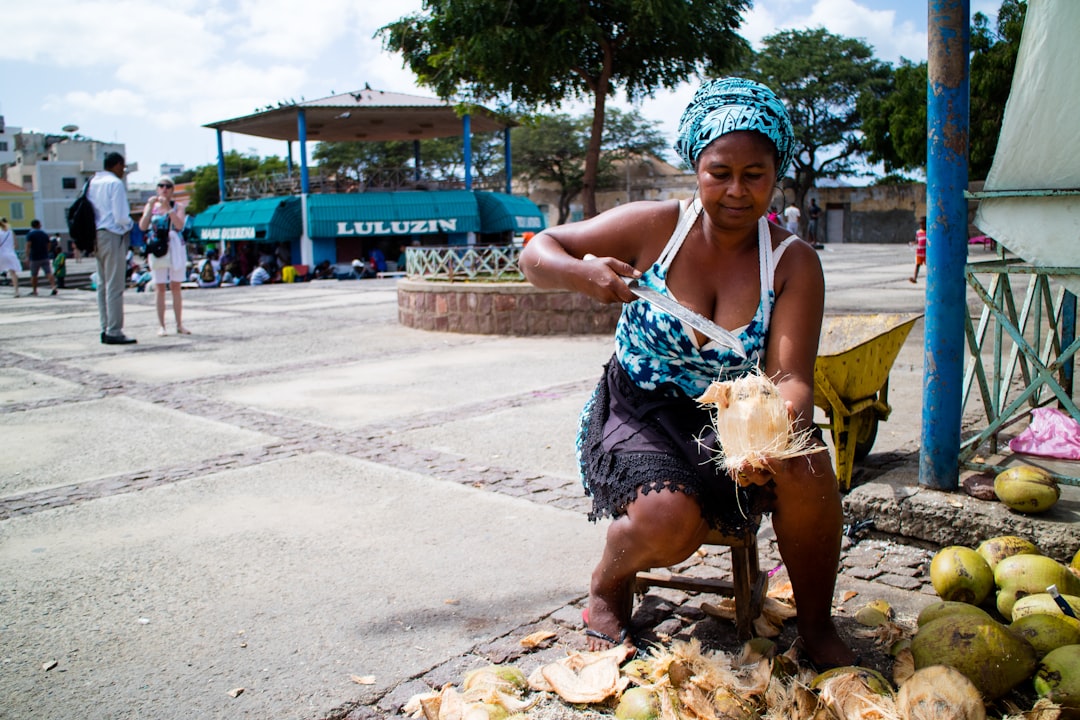
The stunning Cape Verde archipelago is located off the coast of West Africa, tucked away in the vast Atlantic Ocean. For those looking for adventure, leisure, and a deep connection with nature, Cape Verde offers an unforgettable experience with its vivid colors, striking volcanic landscapes, & enthralling blend of cultures. Its ten islands, each with its own special charm, encourage exploration and offer a way out of everyday life.
This island nation beckons with an allure that is both exotic and incredibly inviting, from the busy markets of Praia to the tranquil beaches of Sal. The diverse and breathtaking landscape of Cape Verde is a testament to the strong forces of nature. The islands’ pristine, golden coastlines and rough, volcanic interiors create a striking contrast. The Stunning Heights of Fogo.
The island of Fogo, which is dominated by the active stratovolcano Pico do Fogo, is one of Cape Verde’s most famous natural wonders. At almost 3,000 meters, this magnificent peak provides a genuinely exceptional experience. Trekking to the summit, where visitors can enjoy expansive views of the surrounding caldera and the far-off ocean, can be difficult but worthwhile.
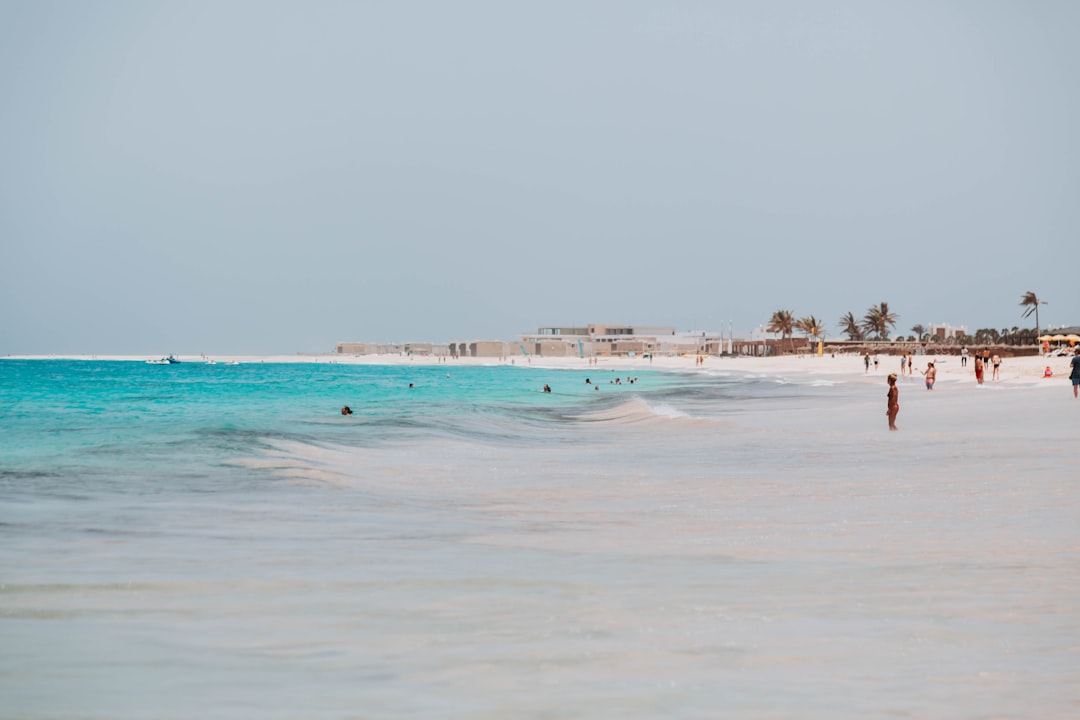
Coffee plantations flourish in the rich, fragrant brew that is a local specialty thanks to the fertile volcanic soil at its base. Parts of the landscape were altered by the most recent significant eruption in 2014, reminding tourists of the untamed force that shaped these islands. The Sand Dunes of Sal and Boa Vista. The islands of Boa Vista and Sal, known for their vast expanses of golden sand dunes, stand in sharp contrast to Fogo’s rough terrain.
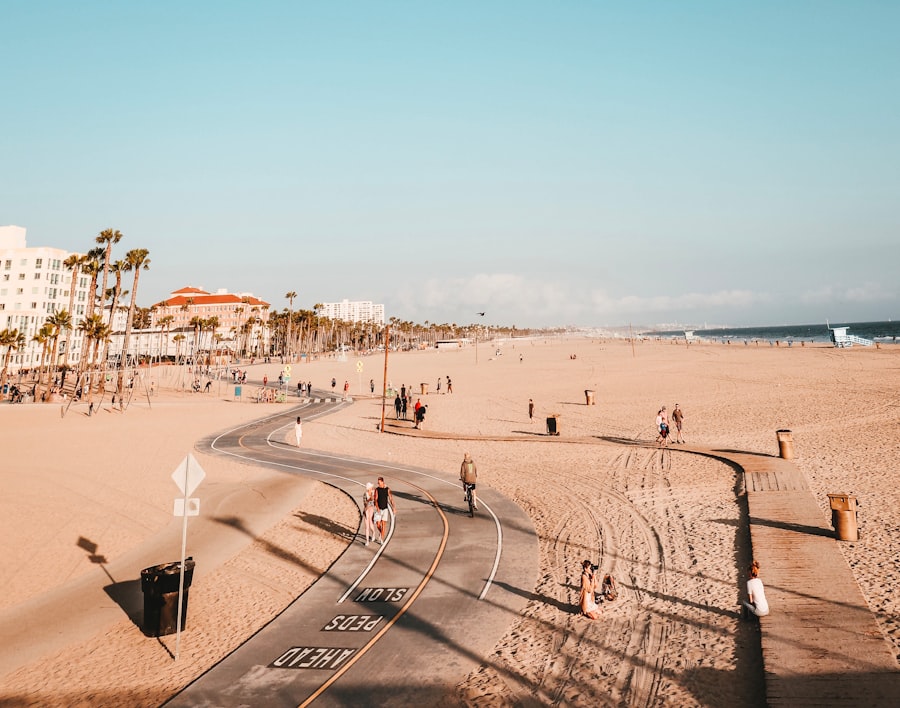
These islands are a beach lover’s dream come true, with countless chances to sunbathe, swim in pristine waters, & participate in a variety of water sports. Particularly impressive is the miles-long Santa Monica beach on Boa Vista, which invites leisurely walks. The gently lapping waves create a calming soundtrack for relaxation, and the shifting sands create an ever-changing panorama. Santo Antão’s lush greenery. When one travels northwest, they find the lush paradise of Santo Antão, an island that is very different from its drier neighbors.
| Metrics | Data |
|---|---|
| Population | 556,857 (2021) |
| Area | 4,033 square kilometers |
| Capital | Praia |
| Official Language | Portuguese |
| Currency | Cape Verdean escudo (CVE) |
Here, deep ravines sculpt towering mountain ranges, forming a web of meandering trails that pass terraced fields and lush valleys. Santo Antão is a hiker’s paradise, providing some of the archipelago’s most breathtaking trekking experiences. Mango and sugar cane aromas fill the air as waterfalls tumble down emerald cliffs. The island’s thriving farming communities & the production of grogue, a strong rum made from sugarcane, are testaments to its rich agricultural past. The cultural identity of Cape Verde is as varied & alluring as its scenery.
Due to their advantageous location at the meeting point of Africa, Europe, and South America, the islands have developed a distinctive blend of customs that are vividly reflected in their cuisine, music, & friendly hospitality. The Morna Sound of Soul. Music, especially the melancholic yet incredibly soulful Morna genre, is at the core of Cape Verdean culture. Morna is known for its melancholic melodies, poignant lyrics that frequently reflect saudade (a profound sense of longing & nostalgia), and the unique strums of the cavaquinho and guitar.
It was made popular throughout the world by the renowned singer Cesđ Évora. Numerous local eateries & bars feature live music, which provides a genuine window into the depth of Cape Verdean emotion. The lively soundscape of the islands is enhanced by other musical genres, each with its own unique rhythm & energy, like funaná & coladeira. Flavors of the Land and Sea: A Culinary Adventure. Fresh seafood is the main ingredient in the delectable fusion of Portuguese and African flavors that is Cape Verdean cuisine.
The national dish, cachupa, is a substantial stew consisting of corn, beans, sweet potatoes, cassava, and different meats or fish. It’s a mainstay that comes in a variety of forms and is frequently served as a hearty supper or a rich breakfast. A must-try is freshly grilled fish, which is frequently caught that same day and is only seasoned to highlight its inherent flavors. Wahoo, tuna, and lobster are abundant and very fresh. Outside.
Mangoes, bananas, papayas, & cocos are just a few of the tropical fruits available on the islands, which offer a cool contrast to the richer meals. Sugarcane is used to make the local rum, grogue, which is a strong spirit that is frequently consumed straight or in mixed drinks. Morabeza’s Comfort. The concept of “morabeza,” an indescribable word that encompasses warmth, hospitality, and a welcoming spirit, is perhaps the most distinctive aspect of Cape Verdean culture. The genuine friendliness of the locals, who are willing to share their culture and customs, frequently strikes visitors. This innate coziness fosters a welcoming environment that makes guests feel more like valued guests than tourists.
Morabeza fosters a strong bond between guests and locals through informal conversations, shared laughter, & willingness to assist. Cape Verde provides a wide range of thrill-seeking activities for the daring traveler. For outdoor enthusiasts, the islands are a playground where they can explore vibrant coral reefs & scale volcanic peaks. trekking and hiking across a variety of terrains. As was already mentioned, Santo Antão is a hiker’s dream come true thanks to its network of historic donkey trails that wind alongside terraced fields and through striking valleys. The island offers routes for all skill levels, from strenuous multi-day hikes to leisurely walks.
Also, Fogo offers unmatched views from its volcanic summit, making hiking there an unforgettable experience. Fans can also discover secret coves, verdant oases, & expansive vistas by exploring the diverse landscapes of other islands. The natural beauty of the islands can be explored safely and intelligently with the help of the many guided tours available. Surfing, kitesurfing, and diving are all water sports.
Cape Verde is a great location for a variety of water sports because of its warm waters and steady trade winds. In particular, Sal is a well-known location for windsurfing and kitesurfing that draws enthusiasts from all over the world. Professional schools provide instruction for riders of all skill levels. Another popular activity is surfing, which offers a variety of breaks for varying skill levels. Beyond the surface, the clear waters conceal a vibrant underwater world, making diving and snorkeling exceptional experiences.
Shipwrecks are fascinating places to explore, and coral reefs are teeming with vibrant marine life. Anything from barracudas and angelfish to turtles and even manta rays can be seen by enthusiasts. Investigating the Wonders of the Sea. Other well-liked activities to take advantage of the immaculate coastal waters include stand-up paddleboarding, deep-sea fishing, and hobie cat sailing. Discover remote beaches, see marine birds, and occasionally even see dolphins or whales during their migration seasons with guided boat tours. In addition to providing excellent chances for ethical and breathtaking experiences with nature, the marine protected areas surrounding some islands are committed to protecting the fragile ecosystems.
The history of Cape Verde is closely linked to both European colonialism & the transatlantic slave trade. The architecture, culture, & social structure of the islands have all been permanently impacted by these influences. One UNESCO World Heritage Site is Cidade Velha. On Santiago Island, the town of Cidade Velha has enormous historical significance. It was a vital port in the transatlantic slave trade & the first European colonial outpost in the tropics.
It is now recognized as a UNESCO World Heritage site thanks to its ruins and well-preserved buildings, such as the Forte Real de São Filipe, a magnificent fortress with a view of the town. In order to piece together the story of its complicated past, visitors can explore the ruins of the cathedral, the slave market, & the winding cobblestone streets. The location provides a moving reminder of the hardships and victories that molded the archipelago.
Praia and Mindelo’s colonial architecture. Both the cultural center of Mindelo on São Vicente and the capital city of Praia on Santiago offer striking examples of colonial architecture. The Portuguese influence that molded the urban landscapes is reflected in grand squares, elaborately designed buildings, and vibrant facades. While Praia offers a busy business district alongside its historic landmarks, Mindelo’s quaint city center, with its vibrant cafés and music venues, exudes a bohemian vibe. Walking around these cities gives you a better understanding of their stunning architecture and lively streets.
In order to preserve its delicate ecosystems and distinctive cultural legacy, Cape Verde is becoming more and more popular as a travel destination. initiatives for community-based tourism. In order to ensure that the economic benefits are distributed fairly, a number of local initiatives are concentrated on directly involving communities in tourism. Supporting regional guesthouses, art cooperatives, and cultural events are examples of this. Participating in these community-based initiatives promotes direct interactions between tourists and locals while providing a more genuine & significant travel experience.
Travelers directly improve the economic well-being of the islanders by patronizing locally owned businesses. preserving the biodiversity of the sea & land. To protect the rich biodiversity of Cape Verde’s waters, efforts are being made to create and expand marine protected areas. These programs seek to prevent habitat degradation and overfishing of endangered species, including sea turtles and different fish populations.
Conservation initiatives on land concentrate on protecting native plants and animals, such as rare plant species and endemic bird species. Travelers are urged to engage in responsible tourism, which minimizes their impact on the environment & respects it. This can involve selecting eco-friendly trips, taking part in beach clean-ups, and applying sunscreen that is safe for reefs.
encouraging thoughtful travel. Important components of sustainable tourism in Cape Verde include teaching tourists the value of honoring regional traditions, boosting local economies, and reducing waste. Travelers can help ensure that this magical archipelago is preserved for future generations by making thoughtful decisions that will preserve its beauty & charm. A more sustainable and fulfilling travel experience can be achieved by selecting tours led by local guides, buying handcrafted mementos, & eating food that is sourced locally.
Both Cape Verde’s citizens & the conscientious tourists who choose to discover its wonders will determine the island’s captivating beauty in the future.
.
FAQs
What is the location of Cape Verde?
Cape Verde is an island country located in the central Atlantic Ocean, off the coast of West Africa.
What is the capital city of Cape Verde?
The capital city of Cape Verde is Praia, which is located on the southern coast of the island of Santiago.
What is the climate like in Cape Verde?
Cape Verde has a tropical climate with a dry season from November to July and a rainy season from August to October. The average temperature ranges from 75°F to 85°F throughout the year.
What is the population of Cape Verde?
As of 2021, the population of Cape Verde is estimated to be around 560,000 people.
What are the main industries in Cape Verde?
The main industries in Cape Verde include tourism, fishing, agriculture, and light manufacturing. The country is known for its beautiful beaches and vibrant culture, which attract tourists from around the world.








Leave a Reply