
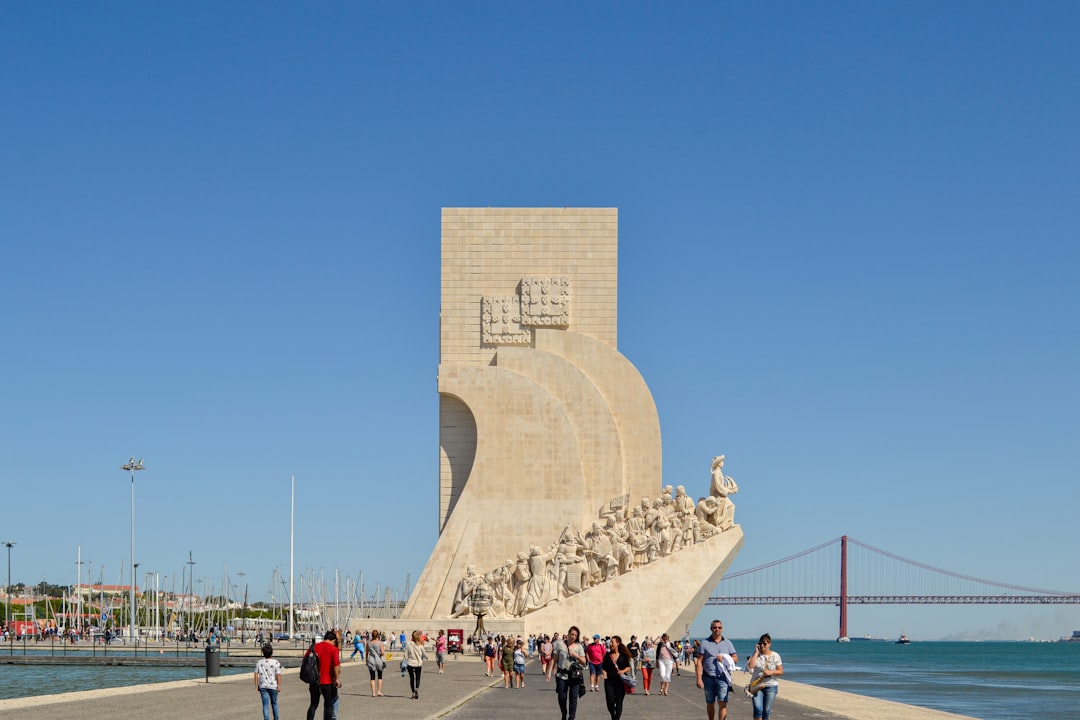
As Portugal set out on yet another World Cup journey, they bore the weight of a nation’s hopes, the roar of the crowd, and the iconic red and green. The World Cup was more than just a competition for a nation with a strong passion for football; it was a sacred quest for glory and an opportunity to leave their mark on football history. Portugal dared to dream big with a team full of talent, experience, and the unquestionable presence of one of the greatest players in history. Although there were some tense moments, Portugal’s 2022 World Cup qualification campaign was largely a demonstration of their inherent quality. They demonstrated their attacking ability and defensive resilience while navigating a competitive group. Early hiccups and group stage dominance.
Portugal demonstrated their supremacy in the first stage by defeating weaker opponents with decisive wins. Under the direction of their seasoned coach, the team showed that they were a cohesive unit and that goals flowed freely. But there were also games that showed signs of underlying weaknesses, with clinical finishing occasionally lacking & defensive errors giving their opponents hope. These early setbacks were important teaching moments that made the team focus on areas that needed work before the big show. The Playoff Gauntlet: A Character Exam.
The tense playoff games were arguably the most pivotal part of their qualifying journey. Portugal had a difficult task ahead of them after failing to qualify automatically. Resilience, tactical skill, and unwavering faith were required in these high-stakes situations. The squad’s genuine nature was revealed during these intense games. Their ability to perform when it mattered most was demonstrated by crucial goals in nerve-wracking situations, ultimately securing their desired spot in the World Cup.
Following the playoff decider’s final whistle, there was an emotional outburst that highlighted the importance of their accomplishment & strengthened their resolve to win the tournament. Portugal had an impressive team when they arrived in Qatar, consisting of a carefully chosen mix of young, talented players and seasoned veterans. This balance, which provided both leadership and dynamism, was widely considered to be one of their greatest strengths.
Cristiano Ronaldo’s Last Dance: The Captain and Icon. As usual, Cristiano Ronaldo was at the center of Portugal’s ambitions. Even after he had reached his zenith, his impact was still indisputable. His leadership abilities, his sheer presence on the field, and his unquenchable thirst for goals were priceless.
| Year | Host Country | Performance |
|---|---|---|
| 1966 | England | Third place |
| 1986 | Mexico | Group stage |
| 2002 | South Korea & Japan | Group stage |
| 2006 | Germany | Fourth place |
| 2010 | South Africa | Round of 16 |
| 2014 | Brazil | Group stage |
| 2018 | Russia | Round of 16 |
His performances carried additional emotional weight because it was widely believed that this World Cup would be his final one. Every run, every touch, and every shot was examined with a mix of nostalgia and hope. But his place in the tactical setup had changed, and the team’s dependence on him was gradually changing. Midfield Maestros: Coordinating the Offensive. Portugal’s midfield was a creative and dominant force.
Players with a combination of sharp passing, relentless work ethic, & goal-scoring threat included Bruno Fernandes, Bernardo Silva, and Ruben Neves. Fernandes was an important player because of his ability to breach defenses and his prolific scoring from midfield. Neves anchored the midfield with his outstanding passing range & defensive solidity, while Silva’s dribbling prowess & vision produced magical moments. These players’ synergy was essential for managing game tempo and launching devastating assaults. Goalkeeping brilliance and defensive strength.
Portugal had the strong defense that is necessary for a successful World Cup campaign. Despite his advanced age, seasoned defenders like Pepe contributed unmatched experience and a fierce competitive spirit. The defensive line sought to be a strong barrier alongside younger players. Behind them, a dependable goalie served as the last line of defense, making vital saves and boosting team spirit.
In order to thwart opposing attacks and safeguard their goal, the interaction between the defenders and defensive midfielders was crucial. The Next Generation of Emerging Stars. Portugal displayed an exciting array of young talent in addition to the well-known names.
Vitinha, Rafael Leão, and João Félix were among the players who could light up games with their speed, cunning, and bravery. Their inclusion not only gave Portuguese football new life, but it also portended a promising future. These young celebrities were given chances to shine, showcasing their abilities & proving they could compete on a global scale. They brought a dynamic element to the squad with their contagious energy & enthusiasm. Aspirations are shaped or destroyed in the crucible that is the World Cup group stage.
Portugal was placed in a difficult group that demanded constant performance & the highest level of concentration. Opening Fixture Fireworks: A Declaration of Goals. Portugal’s first game served as a crucial barometer of their goals.
They set out to lay down a marker against a resolute opponent. Moments of individual skill and tactical intrigue were common in this fast-paced game. In addition to earning points, winning the first game was crucial for boosting confidence and establishing the tone for the remainder of the group stage. The team’s relief and resolve were evident in the joyous scenes following the final whistle.
Challenges from the opposition and tactical adjustments. Portugal had to modify their strategy as the group stage went on because they came across various playing philosophies. They required patience and ingenuity to overcome obstinate backlines against more defensive teams.
Their defensive structure was put to the test against more aggressive sides. Their success was greatly influenced by the coach’s tactical changes made both within and between games. It was always difficult to assess the advantages and disadvantages of the opposition & implement the best tactics. A team effort is needed to secure knockout qualification.
Securing a spot in the knockout stages was the group stage’s main objective. Every player had to put forth consistent effort and work together to achieve this. Although victories were celebrated, draws in difficult games could still be beneficial.
With qualification frequently hanging in the balance until the very end, there was a noticeable sense of tension during the final group stage games. The enormous pressure they were under was highlighted by the group’s exhale of relief & celebration upon earning a spot in the following round. Dreams are dashed and legends are made during the World Cup knockout stages. Every game is a final, meaning mistakes cannot be made.
Clinical Performance in the Round of 16. Portugal faced a strong opponent in their Round of 16 match, but they approached the match with a well-thought-out plan and unwavering focus. With both teams fighting for control, the game frequently developed into an intriguing tactical struggle. But Portugal’s skill & skillful finishing frequently came through, enabling them to win easily and advance to the quarterfinals.
Other competitors were warned by the ease with which they eliminated their opponents. Moments of Brilliance and Despair in the Quarterfinals. Portugal faced an even bigger challenge in the quarterfinals when they faced off against another World Cup powerhouse. These games were frequently suspenseful affairs marked by thrilling offensive play & tenacious defense.
Whether it was a spectacular goal, an important save, or a last-ditch tackle, moments of individual brilliance frequently determined the result. These games often went to the very end, giving the team a real test of their mettle & fans unforgettable drama. The high stakes in these matches were reflected in their emotional rollercoaster. Semi-Final Aspirations: Just One Step Away from the Top. Making it to the World Cup semifinals is a huge accomplishment that puts a team among the best.
For Portugal, it meant being tantalizingly near the top prize. Both teams gave it their all in the semi-final match, which was frequently a titanic struggle. Every choice, pass, and shot carried the weight of a country’s hopes, and there was tremendous pressure. The pursuit of glory felt incredibly real, and the teamwork and individual genius required to overcome such a challenge were enormous. Even though Portugal did not win the World Cup trophy, their trip to Qatar made a lasting impression & added to their footballing legacy.
The Power of Football: Inspiring a Nation. Portugal’s involvement in the World Cup surely inspired a country, regardless of the victories and defeats. The players’ enthusiasm and commitment struck a deep chord with supporters, encouraging a sense of pride and national cohesion. The competition was a potent reminder of the beautiful game’s capacity to transcend sport & bring people together, and children in Portugal aspired to be like their idols.
This persistent spirit was demonstrated by the red and green flags flying all over the nation. Future Opportunities and Lessons Learned. Regardless of the result, every World Cup experience teaches priceless lessons. It gave Portugal a chance to evaluate their advantages and disadvantages, pinpoint areas in need of development, and develop new talent.
The younger players’ experience on the biggest stage would be essential to their future growth. Also, the competition demonstrated how international football is changing and provided tactical insights. To set the stage for upcoming campaigns, the coaching staff would carefully examine every facet of their performance. Portuguese football’s enduring spirit.
Portuguese football is known for its flair, fervor, & unwavering faith. With all of its highs and lows, this World Cup experience only strengthened that spirit. Audiences around the world would continue to be enthralled by the team’s tenacity, dedication to attacking football, and individual genius. Portugal’s presence on the international scene demonstrated their enduring quality and their contribution to the beautiful game, regardless of the outcome.
As the colorful tapestry of Portuguese football history continued to develop, the pursuit of glory would surely resume with renewed vigor in subsequent competitions, even though it may have paused.
.
FAQs
1. How many times has Portugal won the FIFA World Cup?
Portugal has never won the FIFA World Cup. Their best performance was in 1966 when they finished in third place.
2. How many times has Portugal qualified for the FIFA World Cup?
Portugal has qualified for the FIFA World Cup seven times, including the 2018 tournament in Russia.
3. Who are some of the most famous Portuguese footballers to have played in the World Cup?
Some of the most famous Portuguese footballers to have played in the World Cup include Eusébio, Luís Figo, Cristiano Ronaldo, and Rui Costa.
4. What is Portugal’s national football team’s nickname?
Portugal’s national football team is commonly referred to as “Seleção das Quinas” (Team of the Shields) or simply “Seleção” (The National Team).
5. What is Portugal’s best performance in the FIFA World Cup?
Portugal’s best performance in the FIFA World Cup was in 1966 when they finished in third place.





Leave a Reply