
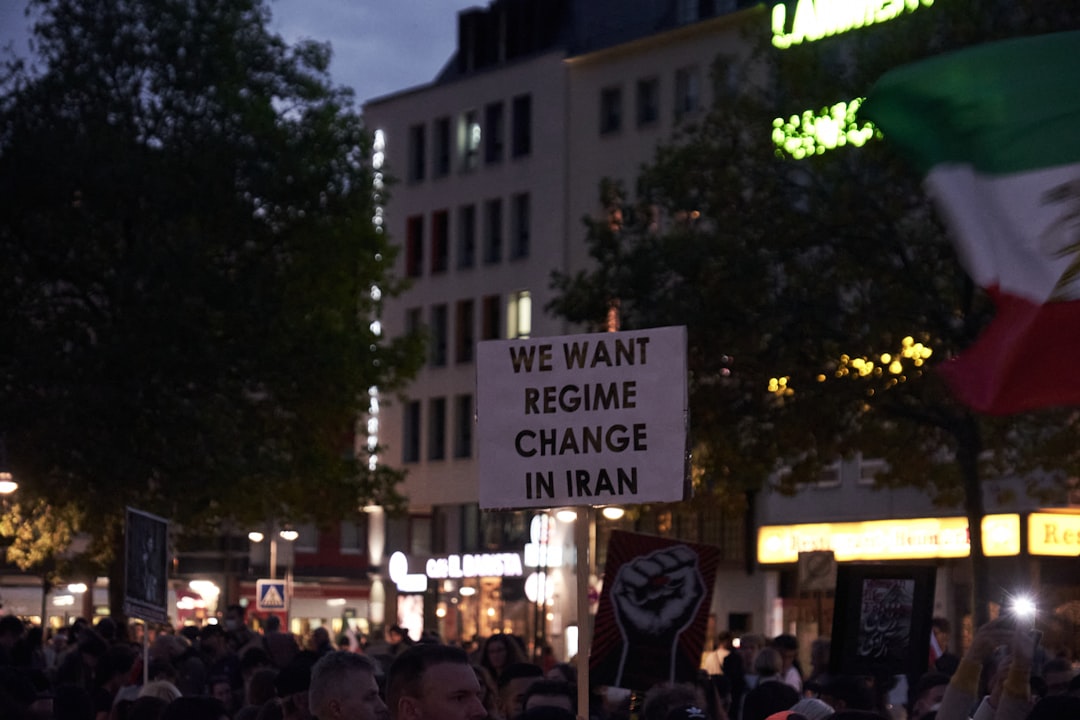
Let’s discuss the potential financial gain for Iran and the JD Vance issue. It’s a fairly complicated subject, & Senator Vance’s mention of it sparked a lot of conversation. Funds released under a possible nuclear deal with Iran could be used in ways that most Americans would consider responsible, which is essentially the main source of concern. Vance & others have raised concerns by pointing to particular numbers and possible routes for this money.
Knowing the Background: The Iran Nuclear Agreement. Prior to delving into the financial details, it’s critical to comprehend what we mean when we refer to the “Iran Nuclear Deal.”. This is nothing new. The Iran nuclear deal, also known as the Joint Comprehensive Plan of Action (JCPOA), was a 2015 agreement between Iran and the P5+1 (China, France, Russia, the United States, the United Kingdom, and Germany, the five permanent members of the UN Security Council). The aims of the original deal. The JCPOA’s primary goal was to stop Iran from acquiring nuclear weapons.
Iran was promised relief from economic sanctions in exchange for substantial limitations on its nuclear program. Both sides had strong opinions about whether this was the best course of action, & it was a complicated negotiation. Re-imposition of sanctions and US withdrawal. The Trump administration’s 2018 withdrawal from the JCPOA and the subsequent reinstatement of numerous sanctions on Iran were noteworthy developments. A great deal of economic pressure returned to the nation as a result.
attempts to bring the deal back to life. Since then, attempts have been made to possibly revive or renegotiate parts of the agreement, especially under the Biden administration. In exchange for Iran fulfilling its nuclear obligations, these negotiations have frequently involved the release of some Iranian assets that have been blocked.
Senator Vance’s remarks and the “jaw-dropping sum” are relevant in this situation. JD Vance’s Particular Statements. Senator JD Vance has been an outspoken opponent of any agreement that could result in Iran receiving large sums of money. His worries frequently center on the possibility that this funding will be used for initiatives that are harmful to US interests or global stability.
| Metrics | Data |
|---|---|
| Article Title | JD Vance Confirms Iran Will Get Jaw-Dropping Sum Under … |
| Author | JD Vance |
| Topic | Iran’s financial deal |
| Confirmation | Confirmed by JD Vance |
Explained is the “Jaw-Dropping Sum.”. When Vance refers to a “jaw-dropping sum,” he means the estimated amount of Iranian funds that might be released or unfrozen as part of a nuclear agreement that is either revived or altered. This isn’t necessarily the printing of new money; rather, it’s about gaining access to funds that Iran says are legally its own but haven’t been available because of sanctions. Depending on the source and the particular presumptions made regarding what sanctions might be lifted, the precise numbers may differ.
Where was the money kept? These funds are frequently kept in banks abroad. Iran contends that freezing these sovereign assets—which were obtained through the sale of oil and other commercial endeavors—is an unlawful form of economic warfare. Possible Financial Routes. Where this money might end up is the most important aspect of Vance’s worry, as well as the larger discussion.
The destination and the final effect are more important than the quantity. assistance to terrorist groups and proxies. One of the main issues brought up by Vance and others is the possibility that a sizable amount of any money made available could go to Iran’s network of Middle Eastern allies & proxies. These include groups like various militias in Syria and Iraq, Hamas and Islamic Jihad in Gaza, & Hezbollah in Lebanon. The Funding of Hezbollah.
For example, Hezbollah is a strong political party and militant organization in Lebanon that is regarded as an important Iranian proxy. Hezbollah is a threat to Israel and the stability of the region, according to critics, who claim that Iranian financial support enables the organization to retain its military prowess & power. Hamas and militant groups in Palestine. In a similar vein, money might support organizations like Hamas, which has fought Israel militarily & been classified as a terrorist group by multiple nations.
Given the dire humanitarian situation in Gaza, any financial inflow—regardless of source—is a complicated matter. The worry here is that Iranian funding would go toward military objectives rather than the well-being of the Palestinian people. Iraqi and Syrian militias. In nations like Syria and Iraq, Iran has also played a significant role in supporting a number of Shiite militias. These organizations have participated in hostilities in those countries and are occasionally charged with violating human rights and furthering Iranian geopolitical objectives.
Modernization of the military and nuclear aspirations. The possibility that the released funds will be utilized to improve Iran’s military capabilities, particularly its missile program, is another cause for concern. Iran has a sizable conventional military and a ballistic missile arsenal, despite the JCPOA’s emphasis on the nuclear program.
Ballistic Missile Technology. Opponents fear that Iran may use more funding to hasten the development of ballistic missiles, which could have an impact on regional security and adversaries’ capacity to hit targets farther away. traditional military spending. Increased funding could result in improvements to Iran’s ground, air, and naval forces in addition to missiles, which could change the military balance in the Persian Gulf and elsewhere. Spending at home and the stability of the regime.
It’s also conceivable that some of the money would go toward Iranian domestic initiatives. Social programs, infrastructure initiatives, or initiatives to support Iran’s economy—which has been severely damaged by sanctions—may fall under this category. Financial Assistance for Iranians. Proponents of lifting the sanctions frequently contend that doing so will help the Iranian people by raising living standards and creating economic opportunities. This is a complicated argument because it’s hard to separate support for the regime from lawful economic activity.
Control and influence of the regime. On the other hand, some argue that rather than actually improving the lives of common people, such domestic spending only serves to bolster the regime’s hold on power and its capacity to quell dissent. Calculating the Potential Funds: The Numbers Game.
Although the numbers used to describe the “jaw-dropping sum” may seem exaggerated, they are based on specific economic analyses and estimates of unfrozen assets. pre-deal relief from sanctions. Iran was supposed to receive sanctions relief worth tens of billions of dollars under the original JCPOA. This included having access to its earnings from frozen oil and other financial resources. After-Withdrawal Projections.
Iran’s access to its foreign reserves and sources of income was severely limited following the US withdrawal and the reinstatement of “maximum pressure” sanctions. The total amount of Iranian money that is kept overseas but cannot be accessed because of sanctions is estimated to be very different. Depending on the extent of the sanctions lifted, some figures discussed in policy circles have ranged from tens of billions to even over a hundred billion dollars. subject to the terms of the deal. It’s important to realize that the precise terms of any renewed or new agreement would determine how much money is actually released. There would be less of an economic impact if only a few sanctions were lifted.
On the other hand, more access to funds would be made possible by a wider lifting of sanctions. objections to the possible agreement. A general mistrust of the Iranian regime and its foreign policy goals is the foundation of Senator Vance’s worries as well as those of many others. The Iranian regime is not trusted. The lack of confidence that many Western analysts and policymakers have in the Iranian government is a basic problem.
They cite Iran’s ballistic missile program, human rights record, & ongoing support for terrorist organizations as proof that the regime cannot be trusted to behave responsibly. The green light for more malice was perceived. Critics view the idea of sending large sums of money to Iran, even if they are meant for economic growth or humanitarian purposes, as essentially giving the regime a free pass to carry out its destabilizing actions.
Iran’s financial resources are said to be fungible, which means that funds intended for one use can be readily transferred to another. The Argument of “Ransom”. The possible release of funds has been described by some critics as a “ransom” or payment for Iran’s adherence to nuclear regulations. According to this viewpoint, Iran is being effectively paid by the international community to act in a way that they find unacceptable. What Could Be Done in a Different Way?
When someone is worried about the possible consequences of any agreement involving financial releases to Iran, the conversation frequently shifts to potential alternatives. More Focused Sanctions Relief. Some support a more focused strategy rather than a general lifting of sanctions. With stringent oversight procedures in place, this would entail lifting sanctions only on particular industries or organizations that are directly connected to humanitarian goods or civilian economic activity.
greater oversight & transparency. Strong transparency and oversight procedures to guarantee that any released funds are not used for illegal purposes are among the main demands made by critics. This might entail stringent reporting requirements & international oversight organizations. Prioritize diplomacy that goes beyond the nuclear issue. Some contend that a more comprehensive diplomatic approach is required, despite the fact that the nuclear program is a serious concern.
Instead of concentrating only on the nuclear aspect, this would entail discussing Iran on a variety of issues, such as its regional activities, human rights record, and missile program. bolstering regional partnerships. Focusing on fortifying ties with regional allies who perceive Iran’s actions as a direct threat is another strategy.
Increased security cooperation, military assistance, and diplomatic coordination may be part of this. In conclusion, a difficult balancing act. A fundamental tension is highlighted by the debate surrounding JD Vance’s claims & the possible financial ramifications of a revived Iran nuclear deal.
One goal is to keep Iran from obtaining nuclear weapons, which frequently entails economic cooperation or the lifting of sanctions. However, there is also the long-standing worry about Iran’s behavior on the international scene and the possibility that its financial resources could be exploited to promote negative activities or cause instability in the region. There is more to this than just black and white. As usual, the devil lies in the specifics of any possible agreement and the safeguards put in place to guarantee responsibility and avoid unforeseen outcomes.
Even though Senator Vance used strong language in his remarks, many people have legitimate concerns about the actions of the Iranian regime and the possible repercussions of any financial transactions. In order to achieve security and stability without unintentionally empowering those who wish to undermine them, policymakers must negotiate this complicated terrain.
.
FAQs
What is the article about?
The article is about JD Vance confirming that Iran will receive a significant sum of money under the nuclear deal.
Who is JD Vance?
JD Vance is an American author, venture capitalist, and former U.S. Senate candidate from Ohio.
What is the nuclear deal with Iran?
The nuclear deal with Iran, formally known as the Joint Comprehensive Plan of Action (JCPOA), is an agreement aimed at limiting Iran’s nuclear program in exchange for lifting economic sanctions.
How much money will Iran receive under the nuclear deal?
The specific amount of money that Iran will receive under the nuclear deal has not been disclosed in the article.
What are the implications of Iran receiving a “jaw-dropping sum” under the nuclear deal?
The article does not provide specific details about the implications of Iran receiving a significant sum of money under the nuclear deal.











Leave a Reply