
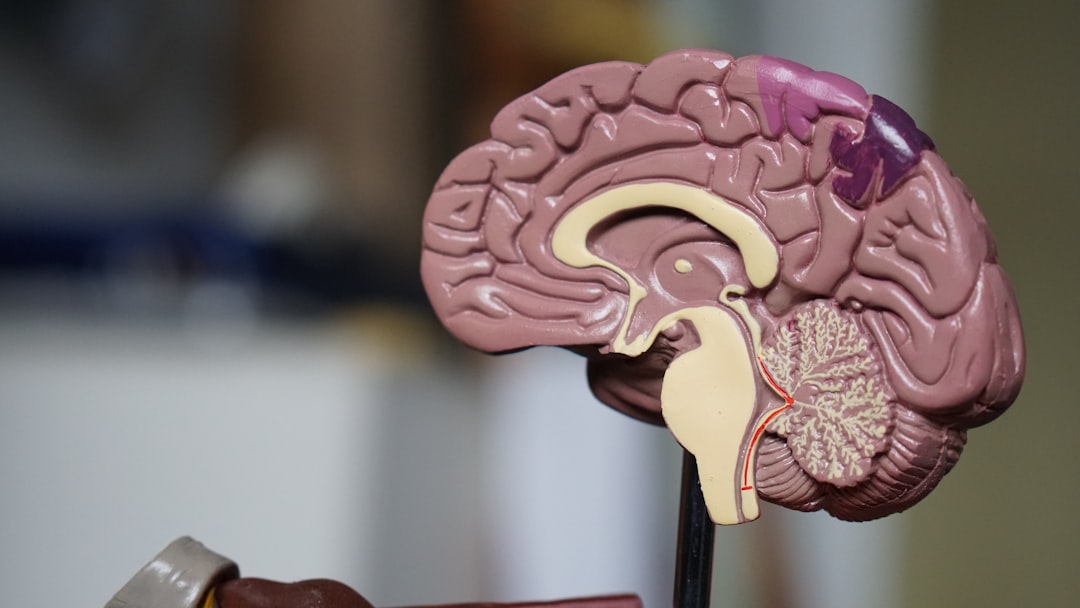
For patients with brain tumors, Newton-Wellesley Hospital has become a ray of hope because it continuously pushes the limits of medical innovation and patient-centered care. The diagnosis, treatment, & ongoing management of these complex diseases have significantly improved as a result of the institution’s dedication to fusing cutting-edge technology with compassionate, multidisciplinary approaches. Instead of facing an insurmountable obstacle, patients at Newton-Wellesley are dealing with a highly qualified staff that is well-versed in neurological oncology and equipped with the newest equipment. Effective brain tumor treatment depends on an accurate diagnosis, and Newton-Wellesley Hospital has made significant investments in cutting-edge diagnostic tools to deliver an unmatched degree of precision.
Determining the precise type, grade, and molecular features of a tumor is essential for creating individualized treatment regimens that optimize effectiveness and reduce side effects. Imaging Methods with High Resolution. Utilizing cutting-edge imaging technologies, Newton-Wellesley offers incredibly detailed insights into brain tumors. These methods provide important details about tumor vascularity, cellular density, and metabolic activity that go beyond simple visualization.
Advanced MRIs. The hospital uses sophisticated MRI procedures, such as MR Spectroscopy (MRS), Diffusion Tensor Imaging (DTI), & Functional MRI (fMRI). During tumor resection, fMRI allows surgeons to precisely navigate around crucial areas by mapping brain activity associated with language, motor, and sensory functions. White matter tracts are visualized by DTI, which aids in maintaining important neural pathways. In contrast, MRS offers biochemical details about the tumor, such as its metabolic fingerprint, which can help differentiate between various tumor types and gauge how well a treatment is working.
PET-CT for Metabolic Evaluation. PET-CT (Positron Emission Tomography-Computed Tomography) scans are essential for assessing brain tumors’ metabolic activity. PET-CT can detect regions of elevated glucose metabolism, which is frequently a feature of aggressive tumor cells, by using particular radiotracers. Even in regions that might appear normal on a traditional MRI, this information helps determine the tumor grade, locate areas for biopsy, and evaluate the extent of tumor spread.
complex biopsy techniques. A biopsy is frequently necessary to get a conclusive diagnosis after imaging has revealed a suspicious lesion. Newton-Wellesley provides both conventional open biopsies and minimally invasive stereotactic biopsy methods, which are carefully chosen according to the location and features of the tumor.
| Brain Tumor Type | Number of Cases |
|---|---|
| Glioblastoma | 20 |
| Meningioma | 15 |
| Pituitary adenoma | 10 |
Stereotactic Biopsy with Navigation in Real Time. The extremely accurate technique known as stereotactic biopsy uses 3D imaging to direct a tiny needle to the precise location of the tumor, even if it is located deep within the brain. Real-time navigation systems are used by the neurosurgeons at Newton-Wellesley to ensure optimal precision and reduce harm to nearby healthy tissue. Tumors that are difficult to access through open surgery or that are situated in eloquent brain regions benefit greatly from this technique. Liquid Biopsies: A Look at the Future.
Newton-Wellesley is investigating the possibilities of liquid biopsies, even though direct brain tumor diagnosis is still mostly in the research stage. These non-invasive blood tests may be able to identify circulating tumor cells (CTCs) or circulating tumor DNA (ctDNA), providing a less invasive means of tracking tumor growth, recurrence, and response to treatment. This innovative study has the potential to completely transform upcoming monitoring and diagnostic techniques. The surgical team at Newton-Wellesley Hospital is excellent at carrying out intricate procedures with unmatched precision & a strong emphasis on maintaining neurological function. Neurosurgery is still a key component of the treatment of brain tumors.
To achieve the best possible patient outcomes, their method combines cutting-edge technology with a wealth of surgical knowledge. navigation and imaging during surgery. Newton-Wellesley uses advanced intraoperative imaging and navigation systems to improve surgical precision, guarantee maximum tumor resection, and minimize damage to healthy brain tissue. StealthStation and BrainLab Integration.
The hospital uses cutting-edge surgical navigation systems such as Medtronic’s StealthStation and BrainLab. These systems combine pre-operative MRI & fMRI data to produce an interactive, real-time 3D map of the patient’s brain. During the procedure, this enables surgeons to see the boundaries of the tumor, track their instruments with sub-millimeter accuracy, and locate important structures like language & motor centers.
This technology improves accuracy and safety, especially for tumors that are close to important brain areas. iMRI, or intraoperative MRI. Intraoperative magnetic resonance imaging (iMRI) is available at Newton-Wellesley for specific cases. With the use of this technology, surgeons can conduct MRI scans while the procedure is being performed, giving them instant feedback on how much of the tumor has been removed. In order to maximize tumor removal in a single operation and possibly minimize the need for follow-up procedures, the surgeon may proceed with additional resection before closing if residual tumor is found.
Craniotomy for Eloquent Tumors while Awake. The neurosurgical team at Newton-Wellesley performs awake craniotomies for tumors that are situated in or close to eloquent brain regions, which are areas in charge of essential functions like speech, motor control, and sensation. During surgery, this extremely specialized method enables real-time functional mapping. Linguistic and motor mapping. A portion of an awake craniotomy involves the patient being conscious and cooperative while the surgeon stimulates various brain regions to determine important functional zones.
The surgical team can remove the tumor while maintaining critical neurological functions by precisely mapping the areas responsible for speech, limb movement, & other functions. Newton-Wellesley’s approach to complex brain tumors is characterized by this careful balancing act between maximal tumor removal & functional preservation. As a primary treatment, an adjuvant to surgery, or for palliative care, radiation therapy is essential to the management of many brain tumors.
When it comes to providing highly targeted radiation therapies that optimize tumor control while protecting healthy brain tissue, Newton-Wellesley Hospital is at the forefront. Stereotactic radiation therapy (SRT) and stereotactic radiotherapy (SRS). Newton-Wellesley provides cutting-edge stereotactic radiation techniques that deliver high radiation doses to precisely defined targets with extreme precision. Radiosurgery with a linear accelerator. The hospital performs stereotactic radiation therapy (SRT) and stereotactic radiosurgery (SRS) using sophisticated linear accelerators (LINACs) with advanced guidance systems. SRS, which is frequently used as an alternative to surgery, entails administering a single, high dose of radiation to small, clearly defined tumors.
Larger tumors or those that are close to delicate structures can benefit from SRT, which delivers radiation in multiple fractions while maintaining extreme precision. Highly conformal dose distributions are made possible by these sophisticated LINACs, which minimize radiation exposure to nearby healthy brain tissue by precisely molding the radiation beam to the shape of the tumor. IGRT (image-guided radiation therapy). At Newton-Wellesley, Image-Guided Radiation Therapy (IGRT) is an essential component of all radiation treatments. Advanced imaging (such as daily CT scans or X-rays) is used prior to each treatment fraction in order to confirm patient positioning and precisely localize the tumor.
This maximizes treatment accuracy & minimizes side effects by guaranteeing that radiation is delivered to the precise target each time, taking into account any minute changes in the patient’s or tumor’s position. recommendations for proton beam therapy. Although Newton-Wellesley Hospital does not directly house a proton therapy facility, it has established robust referral channels to top proton therapy facilities for specific patients. In some cases of brain tumors, proton beam therapy presents a special benefit, especially for young patients or those whose tumors are close to important structures.
decreased exit dosage. Proton therapy has a limited energy range, releases the majority of its dose at the tumor site, and has almost no “exit dose,” in contrast to conventional photon radiation. This is especially important for young patients whose brains are still developing because it drastically lowers the radiation exposure to healthy tissues outside of the tumor, potentially reducing long-term side effects like cognitive impairment or secondary cancers. Each patient is thoroughly assessed by the Newton-Wellesley clinical team to ascertain whether proton therapy is the best course of action.
The management of brain tumors increasingly depends on medical oncology, which includes immunotherapy, targeted therapies, and chemotherapy. Since every brain tumor has a distinct genetic and molecular profile, the medical oncologists at Newton-Wellesley Hospital are specialists in molecular diagnostics and individualized treatment plans. Testing for biomarkers and molecular profiling. Choosing the best systemic treatments for a brain tumor requires an understanding of its molecular features. All eligible patients should undergo thorough molecular profiling, according to Newton-Wellesley.
NGS, or next-generation sequencing. The hospital analyzes tumor tissue using Next-Generation Sequencing (NGS) to check for a variety of genetic mutations, amplifications, and deletions. This comprehensive molecular profile can pinpoint particular biomarkers that could indicate how well targeted treatments or immunotherapies will work. For example, the selection of highly specific, less toxic treatments can be influenced by specific mutations in genes such as IDH1/2 in gliomas or BRAF mutations in certain low-grade tumors.
Liquid biopsies for tracking purposes. At Newton-Wellesley, liquid biopsies are being studied and used more frequently to track treatment response and identify tumor recurrence in addition to their potential for diagnosis. Oncologists can monitor tumor development and discover new resistance mechanisms by analyzing ctDNA in blood samples. This enables prompt treatment plan modifications without the need for invasive re-biopsies. Immunotherapy & targeted treatments.
Instead of using a one-size-fits-all strategy, patients at Newton-Wellesley may be eligible for innovative targeted therapies or immunotherapies based on the molecular profile. Customized targeted treatments. Targeted therapies, which frequently spare healthy cells, are made to specifically target cancer cells based on their distinct molecular vulnerabilities. For instance, BRAF inhibitors, which have demonstrated encouraging outcomes in some brain cancers, may be helpful for patients with BRAF-mutated tumors. Newton-Wellesley’s medical oncology team has a great deal of experience finding qualified patients & overseeing these frequently intricate regimens.
Novel Immunotherapies. A paradigm shift in oncology is represented by immunotherapy, which uses the body’s own immune system to combat cancer. Newton-Wellesley actively participates in clinical trials & provides approved immunotherapies when necessary, although its role in brain tumors is still developing. The goal of immunotherapy medications, like checkpoint inhibitors, is to unleash the immune system’s assault on cancer cells, giving previously incurable brain tumors new hope.
Patients can receive the most recent experimental immunotherapies thanks to the hospital’s involvement in clinical trials. Treating a brain tumor involves much more than just medical procedures, as Newton-Wellesley Hospital acknowledges. Robust rehabilitation programs & extensive support services are essential to a patient’s long-term recovery and general well-being.
The hospital takes a holistic approach, attending to patients’ and their families’ emotional, cognitive, and social needs in addition to their physical ones. board for multidisciplinary brain tumors. The multidisciplinary brain tumor board at Newton-Wellesley is the foundation of its patient-centered care. Every patient’s case is examined by a group of experts thanks to this cooperative forum, which results in the best, customized treatment plans.
Planning Treatment Together. Every brain tumor case is discussed by neurosurgeons, radiation oncologists, medical oncologists, neuropathologists, neuroradiologists, neurologists, and palliative care experts. This multidisciplinary approach guarantees that every facet of the illness is taken into account, from radiation dosimetry & surgical viability to systemic treatment options and possible long-term side effects. Patients will gain from the combined knowledge and viewpoints of a whole team of experts thanks to this cooperative setting.
Clinical trial accessibility. Also, patients have access to an extensive portfolio of clinical trials through the tumor board. These trials give patients with difficult tumor types or those who have run out of conventional treatment options the chance to receive cutting-edge treatments that are not yet generally accessible, pushing the limits of current medical knowledge and providing hope.
thorough neuro-rehabilitation. Treatments for brain tumors can have a substantial effect on neurological function. In order to help patients regain function, maximize independence, and enhance their quality of life, Newton-Wellesley offers a wide range of neuro-rehabilitation services. Speech, physical, & occupational therapy. For patients with brain tumors, the hospital provides specialized physical therapy, occupational therapy, & speech therapy programs.
Physical therapists assist with strength, mobility, and balance. Occupational therapists concentrate on fine motor skills, adjusting to new ways of doing tasks, & activities of daily living. Speech therapists treat problems related to swallowing, communication, and cognitive abilities like memory and attention, which are frequently impacted by brain tumors or their treatments. neuropsychological assistance. Patients with brain tumors frequently experience emotional & cognitive difficulties.
Newton-Wellesley offers support services & neuropsychological assessments. In addition to evaluating cognitive abilities like memory, attention, and executive function, neuropsychologists can offer management techniques for cognitive impairments. In order to help patients & their families deal with the emotional distress, anxiety, & depression frequently connected to a brain tumor diagnosis, they also provide counseling and support. In order to maximize a patient’s recovery and resilience, an integrated approach to rehabilitation is essential. Finally, in the battle against brain tumors, Newton-Wellesley Hospital is a model organization.
The hospital is not only treating the illness but also guaranteeing the best possible quality of life for its patients through its unwavering dedication to precision diagnosis, cutting-edge surgical techniques, sophisticated radiation oncology, creative medical therapies, and all-encompassing holistic support. Newton-Wellesley continues to lead the way in treating brain tumors by fusing the most recent scientific discoveries with compassionate, patient-centered care, providing patients and their families with better results & new hope.
.
FAQs
What are brain tumors?
Brain tumors are abnormal growths of cells in the brain. They can be benign (non-cancerous) or malignant (cancerous), and can originate in the brain itself or spread from other parts of the body.
What are the symptoms of brain tumors?
Symptoms of brain tumors can vary depending on the size and location of the tumor, but common symptoms include headaches, seizures, changes in vision or hearing, difficulty with balance or walking, and cognitive or personality changes.
How are brain tumors diagnosed?
Brain tumors are typically diagnosed through a combination of imaging tests such as MRI or CT scans, and a biopsy to examine the tumor cells. Other tests may also be done to determine the type and extent of the tumor.
What are the treatment options for brain tumors?
Treatment for brain tumors may include surgery to remove the tumor, radiation therapy, chemotherapy, or a combination of these treatments. The specific treatment plan will depend on the type and location of the tumor, as well as the patient’s overall health.
What is the prognosis for brain tumor patients?
The prognosis for brain tumor patients can vary widely depending on the type and stage of the tumor, as well as the patient’s age and overall health. Some brain tumors can be successfully treated, while others may have a more guarded prognosis. It’s important for patients to work closely with their medical team to understand their individual prognosis and treatment options.












Leave a Reply