
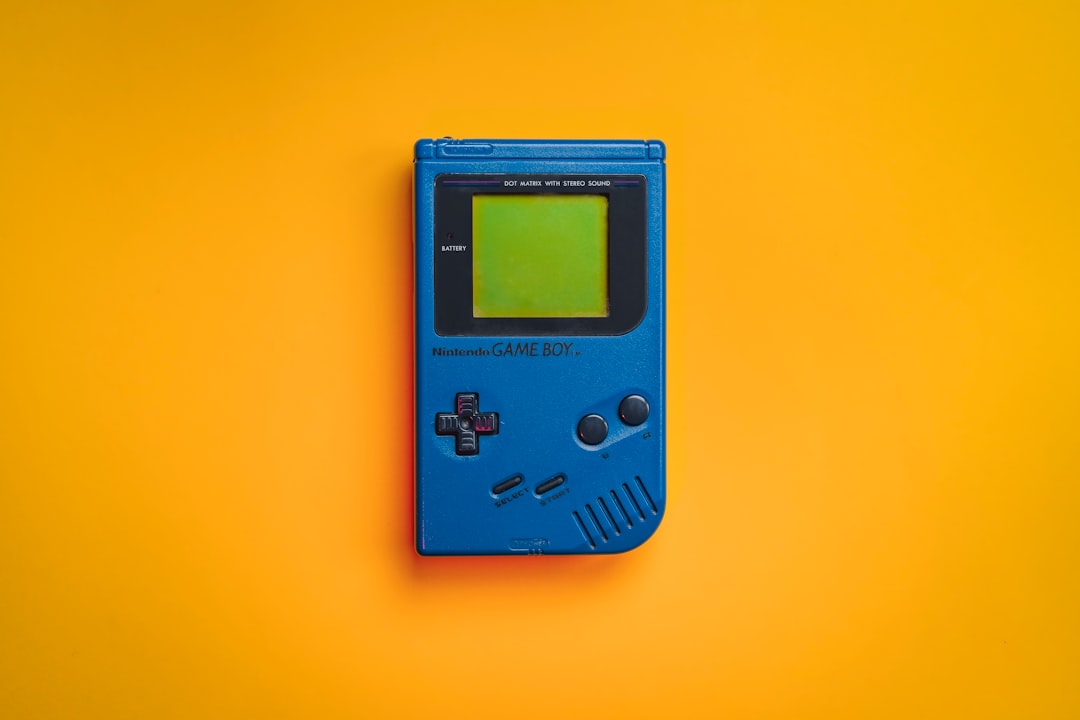
Nintendo, a brand known for innovative interactive entertainment & childhood joy, is poised for greatness. From the widely used NES to the groundbreaking Wii and, more recently, the wildly popular Nintendo Switch, the Kyoto-based giant has continuously changed the gaming landscape for decades. However, there has never been a more compelling question about “what’s next” for Nintendo. The company has developed a devoted following and a unique market position thanks to its distinctive philosophy, which frequently prioritizes playful innovation over raw graphical power. Nintendo continues to steer its own course while the industry struggles with the ever-growing demands of photorealistic graphics and online connectivity, hinting at upcoming projects that are sure to astonish and delight.
This investigation explores the rumors, patterns, and innate Nintendo DNA that point to this legendary company’s future. The foundation of Nintendo’s current success is unquestionably the Nintendo Switch. Its ability to switch between a home console & a portable device with ease has made it appealing to a wide range of users, including casual & die-hard gamers. The Switch’s longevity and appeal have been guaranteed by the sheer number of highly regarded and commercially successful first-party games that have been released for it, including Animal Crossing: New Horizons, Super Mario Odyssey, & The Legend of Zelda: Breath of the Wild. Nintendo’s strategy for its flagship platform and possibly its successor, however, merits a closer examination as the console develops and the market is buzzing with competitors’ next-generation hardware.
The Switch’s Extended Life and Possible Improvements. Compared to many other Nintendo systems, the Nintendo Switch has had a remarkably long lifespan. Its distinctive form factor, a steady flow of top-notch software, and Nintendo’s methodical pace of hardware upgrades are all responsible for its longevity. It’s not a given that Nintendo will stop using the current hardware, even though a “Switch 2” is much anticipated.
Alternatively, there are conceivable scenarios in which the current Switch ecosystem could be significantly expanded or changed. incremental improvements in hardware. Mid-generation hardware updates have been released by Nintendo in the past. The “New” Nintendo 3DS models are one of the best examples. It’s possible that Nintendo will release a more potent version of the Switch, possibly resolving some of the performance issues brought on by more demanding third-party ports or upcoming first-party games.
This could entail keeping backward compatibility with the current Switch library while adding a more powerful processor, more RAM, or even an improved display. With this approach, they wouldn’t need to completely revamp the ecosystem in order to take advantage of the sizable user base and software library that already exists. Display Technology Evolution: OLED and Beyond.
| Game Title | Release Date | Sales (in millions) |
|---|---|---|
| Super Mario Bros. | 1985 | 40.24 |
| The Legend of Zelda: Breath of the Wild | 2017 | 22.28 |
| Pokémon Red/Green/Blue | 1996 | 31.38 |
Nintendo’s readiness to adopt new display technologies was already demonstrated with the release of the OLED model of the Nintendo Switch. Future versions might investigate even more sophisticated screen options. Higher refresh rates for more fluid gameplay, enhanced HDR capabilities for more colorful images, or even a drive for higher resolutions could all be examples of this.
Although 4K gaming has not historically been a top priority for Nintendo’s portable devices, improvements in screen technology may make this a more viable and alluring option in a revised Switch or a successor. Instead of just aiming for benchmark performance, the emphasis would probably continue to be on providing an aesthetically pleasing experience that enhances the gameplay. The “Dock”‘s Power.
The dock is an essential part of the Switch’s hybrid features, which turn it into a conventional home console. The dock itself may be significantly improved in later versions. To enable a more significant performance boost when connected, this could entail adding additional processing power or even dedicated graphics capabilities to the dock. This would be a daring move that might more successfully blur the distinctions between home console and handheld. Also, it might make it possible for more graphically demanding first- & third-party games to be released on the Switch platform. The potential for a more potent dock may also suggest a modular strategy, in which users could upgrade the dock separately from the tablet component, thus increasing the system’s lifespan.
Nintendo’s steadfast strength is its software ecosystem. Nintendo’s unmatched software library is its real strength, regardless of hardware iterations. The company’s greatest asset is its capacity to develop iconic franchises and provide consistently excellent, entertaining gaming experiences. Nintendo’s adored characters and creative game design will surely continue to be the company’s main drivers of gaming in the future.
Legendary Franchises: The Next Chapter. The Legend of Zelda, Mario (in its various forms, including 2D, 3D, and Kart), Pokémon, and Metroid are just a few of the franchises whose fans eagerly await the next installments. Every new release gives Nintendo the chance to push the boundaries of gameplay mechanics, storyline, and world design while staying within preexisting frameworks. How to expand upon the open-world framework of Breath of the Wild & Tears of the Kingdom will be Zelda’s challenge. It is unclear if Mario will experience another paradigm shift similar to that of Super Mario 64 or Super Mario Galaxy.
Nintendo’s software strategy will be largely determined by how these titans continue to develop. Accepting Novel Genres and Intellectual Properties (IPs). Nintendo has a history of launching new, popular franchises like Splatoon & ARMS, but it also excels at utilizing its current intellectual property.
The possibility of developing new intellectual property is still exciting. The next big thing might result from Nintendo’s willingness to try out novel gameplay mechanics & visual aesthetics. Also, Nintendo might investigate underrepresented genres or give well-known genres that haven’t received much attention on its platforms a distinctive twist. This might entail a more thorough exploration of strategy games, more comprehensive role-playing games, or even a renewed emphasis on simulation games.
First-party exclusives continue to be important. Nintendo has always relied heavily on exclusivity in its marketing and customer appeal. One of the main factors influencing hardware sales is the robust selection of Switch exclusives. It is improbable that Nintendo will change its approach in the future. Anticipate ongoing investment in creating exclusive, high-caliber games that are only available on Nintendo devices.
In a market where multi-platform releases are becoming more and more dominant, this dedication to original content is a crucial differentiator. The goal will be to produce experiences that are distinctively “Nintendo,” making the most of their distinctive design philosophies & cherished characters. Nintendo has consistently shown a strong desire to investigate options outside of traditional console gaming.
Experiments ranging from educational gadgets to the unsuccessful Wii U tablet controller are scattered throughout the company’s history. Future innovations might not be limited to a single gaming device due to this natural curiosity & willingness to explore novel avenues. Innovative Hardware Ideas: The Power of Playfulness.
The idea of “playfulness” is central to Nintendo’s corporate culture. Hardware that promotes novel forms of interaction frequently reflects this philosophy. This is demonstrated by the Wiimote, the dual screen of the DS, & the Switch’s hybrid design.
In the future, Nintendo might once more question accepted ideas of interaction. Experiments in virtual reality (VR) and augmented reality (AR). A full-fledged foray into commercially mainstream AR or VR technology is an exciting prospect, even though Nintendo has dabbled in both AR and VR with games like Pokémon GO and the disastrous Vitality Sensor.
Nintendo would probably take a distinctive approach, emphasizing engaging experiences and simple controls over unadulterated graphical fidelity. Imagine a VR game that makes use of Nintendo’s distinctive whimsical art style, or an augmented reality experience that skillfully integrates Nintendo characters into the real world. Finding a way to make these technologies feel more approachable and enjoyable for a larger audience while eschewing the frequently daunting complexity of existing VR setups would be crucial. enlarging the field of interactive entertainment. Nintendo’s approach to entertainment goes beyond video games. The company has experimented with theme parks & toys-to-life with Skylanders and amiibo.
Nintendo may continue to incorporate its intellectual property into other types of entertainment in the future. The development of interactive toys and amiibo. Amiibo figures from Nintendo have become a well-liked method for fans to engage with their favorite characters and access in-game content.
This idea may develop into something more complex in the future, possibly with amiibo that provide more dynamic functionality or even interface with other smart devices. Nintendo’s experimental spirit also encompasses the potential for augmented interactive toys that go beyond basic NFC chips, perhaps incorporating basic AI or gesture recognition. This would bridge the gap between real-world play and virtual experiences by enabling more customized and captivating interactions with Nintendo’s cherished characters. Nintendo’s Presence in Theme Parks and Beyond. Nintendo has already been brought to life by Universal Studios with Super Nintendo World.
This fruitful partnership shows how eager Nintendo is to take its brand into real-world settings. Future partnerships or even Nintendo-led projects might bring their worlds & characters to life in fresh and intriguing ways, enhancing their standing as a top entertainment company. Interactive experiences, educational attractions, or even brand-new digital entertainment that isn’t dependent on a particular gaming console could fall under this category. Creating immersive settings that convey the enchantment of Nintendo’s universes would be the goal. Nintendo’s steady success is a result of a well-developed business philosophy as well as cutting-edge hardware and popular games.
This strategy, which is frequently defined by an emphasis on distinctive gameplay, family-friendly content, and a cautious approach to new technologies, has helped Nintendo succeed in a cutthroat industry. Nintendo’s design is based on the principle of putting fun before fidelity. Nintendo has prioritized accessible fun & easy-to-use gameplay over pushing the limits of graphical realism since the early days of the NES. This “fun first” strategy has given the business a unique identity & struck a chord with a wide range of people, including those who might not think of themselves as die-hard gamers.
Game Development’s “Nintendo Difference”. Nintendo’s game development studios are infused with this mindset. Their internal teams are renowned for their unwavering dedication to flawless experiences, their ability to create emergent gameplay systems, and their painstaking attention to detail.
Even when creating in related genres, rivals frequently find it difficult to match this “Nintendo Difference.”. It’s not just about the characters; it’s also about the pleasure and fulfillment that come from engaging with their works. It is likely that this emphasis on the tactile and immersive elements of gaming will remain crucial.
A wide market reach and a family-friendly appeal. Nintendo’s enduring popularity can be attributed in large part to its unwavering dedication to making games that are enjoyable and accessible for all ages. They can access markets that other businesses might ignore or find difficult to successfully enter thanks to their family-friendly appeal.
Creating content that appeals to both adults and children will continue to be a key component of the company’s strategy. This covers not just the games’ content but also the hardware’s accessibility & the entire gaming experience. Developing a Balanced Ecosystem: Independent, Third-Party, and First-Party Cooperation.
Nintendo has developed strong ties with independent studios and third-party developers, even though its first-party games are crucial to its success. This ecosystem’s equilibrium guarantees a steady flow of varied content for its platforms. fostering partnerships & assistance from third parties. Historically, Nintendo has had trouble obtaining strong third-party support, especially in the face of stronger rivals.
But this situation has greatly improved since the Switch’s success. In order to guarantee a robust & varied third-party lineup on its platforms, Nintendo’s future initiatives will probably concentrate on maintaining solid partnerships with developers and providing rewards and assistance. This could entail more powerful developer tools and SDKs, or earlier hardware releases to give developers more time to adjust.
The intention is to foster an atmosphere where developers view Nintendo platforms as viable and lucrative platforms for their games. Independent developers are becoming more and more important. For Nintendo, the growth of independent game development has created a big opportunity. Because of its accessibility and portability, the Switch has grown in popularity as a platform for independent games. Nintendo’s continued support for indie developers, through programs and direct engagement, will be crucial in maintaining a vibrant and diverse gaming ecosystem. This fosters innovation & offers players a wide array of unique and creative experiences beyond the big-budget AAA titles.
The ability to quickly iterate and experiment with new ideas is a hallmark of the indie scene, & Nintendo’s platforms are well-suited to host such creativity. In the past, Nintendo has taken a more cautious approach to online services than its rivals. While services like Nintendo Switch Online have seen incremental improvements, the company has often lagged behind in implementing features & robustness that are standard in the online gaming space. Nintendo will need to keep improving in this area, though, given the growing significance of internet connectivity in contemporary gaming. The Nintendo Switch is evolving online and beyond.
Despite being functional, Nintendo Switch Online has frequently come under fire for having fewer features than services offered by Sony and Microsoft. Nintendo’s online offerings will probably undergo a major redesign and expansion in the future. improving the fundamental online service. Anticipate increased investment from Nintendo in enhancing Nintendo Switch Online’s core features.
This could include more robust multiplayer matchmaking, cloud save functionality that is more reliable and comprehensive, & a better suite of classic games offered through the service. The introduction of voice chat through mobile apps has been a workaround, but a more integrated and user-friendly voice communication system within the console itself would be a significant improvement. For all of their games, the emphasis may be on offering a more smooth and entertaining online multiplayer experience. In the direction of a more unified digital ecosystem. Even though it works, Nintendo’s digital ecosystem can feel a little disjointed.
The Role of Cross-Platform Play & Interaction. As cross-platform play becomes more prevalent in the industry, Nintendo faces a strategic decision. While it has explored limited forms of cross-play in titles like Fortnite and Rocket League, a broader embrace of this feature could open up new audiences and revenue streams. However, Nintendo’s desire to maintain its unique ecosystem might lead to a more curated approach, focusing on compatibility with specific games or platforms where it makes strategic sense.
The potential for Nintendo characters to interact with characters from other major franchises in a cross-platform environment is an exciting prospect that could redefine the gaming landscape. At its heart, Nintendo is a company driven by a desire to create joy & foster imagination. This intrinsic spirit of innovation, applied through the lens of play, has been the bedrock of its success. As Nintendo looks to the future, it is this very spirit that will likely guide its most groundbreaking innovations. Embracing the Unexpected: Nintendo’s Track Record of Surprise.
Nintendo has a proven track record of surprising the industry with its hardware and software designs. The company is not afraid to take risks and deviate from established norms. This willingness to embrace the unexpected is a key ingredient in its continued relevance. The Importance of Playful Experimentation. Future innovations will undoubtedly stem from Nintendo’s continued commitment to playful experimentation.
This means not being afraid to try new things, even if they don’t immediately seem commercially viable. It’s in these experimental phases that truly revolutionary ideas often emerge, leading to the next big breakthrough in interactive entertainment. The company’s history is filled with examples of designs that were initially met with skepticism but eventually became industry-defining. The Future of Interactive Storytelling and Character Engagement. Nintendo’s characters are more than just digital avatars; they are beloved figures that evoke strong emotional connections.
The future will likely see Nintendo exploring new and innovative ways to deepen this engagement through interactive storytelling. Immersive Narratives and Player Agency. Beyond traditional gameplay, Nintendo could invest more in creating deeply immersive narratives with meaningful player agency. This could involve more branching storylines, character relationships that evolve based on player choices, and experiences that blur the lines between game & interactive film.
The focus would be on making players feel like active participants in the unfolding drama, rather than passive observers. This could also extend to the integration of more sophisticated AI to create more dynamic and responsive characters. Expanding the Nintendo Universe Beyond Games. The potential to expand the Nintendo universe beyond the confines of video games is vast. As mentioned earlier, this could involve more animated series, films, and even an expansion of their presence in theme parks. The goal would be to create a cohesive & interconnected entertainment experience that transcends individual mediums, allowing fans to engage with their favorite characters and worlds in multiple ways.
This creates a powerful brand synergy and ensures that the magic of Nintendo remains accessible and relevant to a wider audience. In conclusion, Nintendo’s future is an exciting tapestry woven with threads of its iconic legacy and bold aspirations. While predictions are inherently speculative, the company’s consistent emphasis on joyful innovation, its commitment to beloved franchises, and its willingness to explore unconventional paths strongly suggest a future filled with both familiar delights and unexpected marvels. Whether it’s through an evolution of the Switch, groundbreaking new hardware concepts, or entirely new forms of interactive entertainment, Nintendo is poised to continue its tradition of redefining what it means to play. The world watches with anticipation, eager to discover what delightful surprises Nintendo has in store next.
.
Future innovations could see a more unified digital experience, where games, eShop purchases, & social features are more elegantly integrated. This could involve a more comprehensive online profile system, better discovery tools for new games, & potentially even a more robust integration with social media platforms. The aim is to create a digital environment that is as intuitive and enjoyable as their physical ones. This could also include streamlining the process of purchasing, downloading, and managing digital games.
FAQs
What is Nintendo?
Nintendo is a Japanese multinational consumer electronics and video game company headquartered in Kyoto, Japan. It was originally founded in 1889 as a playing card company and has since become one of the most influential and successful video game companies in the world.
What are some popular Nintendo game franchises?
Some of the most popular Nintendo game franchises include Super Mario, The Legend of Zelda, Pokémon, Animal Crossing, and Mario Kart. These franchises have been beloved by gamers for decades and continue to be major successes for Nintendo.
What gaming consoles has Nintendo released?
Nintendo has released a variety of gaming consoles over the years, including the Nintendo Entertainment System (NES), Super Nintendo Entertainment System (SNES), Nintendo 64, GameCube, Wii, Wii U, and the Nintendo Switch. Each console has brought unique innovations and gaming experiences to players.
What is the significance of Nintendo in the gaming industry?
Nintendo has had a significant impact on the gaming industry, pioneering many innovations in gaming technology and design. The company’s iconic characters and franchises have become cultural touchstones, and its consoles have introduced new ways to play and experience video games.
What are some recent developments from Nintendo?
In recent years, Nintendo has continued to innovate with the release of the Nintendo Switch, a hybrid console that can be used as both a home console and a portable device. The company has also expanded its reach into mobile gaming with titles like “Super Mario Run” and “Animal Crossing: Pocket Camp.” Additionally, Nintendo has continued to release new entries in its popular game franchises, keeping fans engaged and excited about the future of Nintendo gaming.












Leave a Reply