
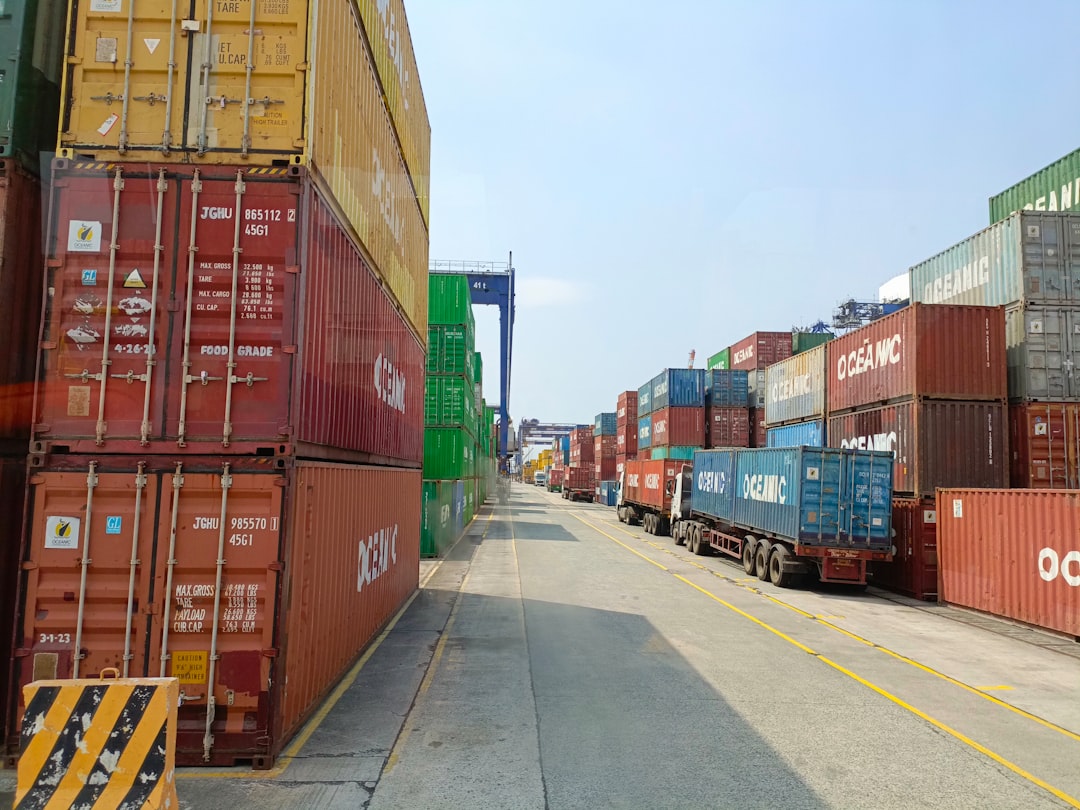
Tariffs become a particularly powerful force reshaping the complex web of international trade, which is constantly negotiated and adjusted. Governments use tariffs, which are essentially taxes on imported goods, as a tool to affect domestic industries, raise money, & occasionally use geopolitical leverage. However, their implementation sets off a chain reaction of intricate social & economic repercussions that affect consumers, businesses, & national economies alike. Managing the effects of these tariffs necessitates a sophisticated comprehension of their workings, intentions, & complex consequences.
Tariffs can take many different forms and are motivated by a wide range of goals; they are not a single policy. Fundamentally, they are an intentional interference with the free flow of goods with the goal of changing the competitive environment. kinds of tariffs. Governments use a variety of tariffs, each with particular uses and goals. certain tariffs.
A set fee applied to each unit of an imported good is known as a specific tariff. For example, a government may tax imported beef by $5 per kilogram. Regardless of the product’s starting price, this increases its cost by a certain amount.
When it comes to the absolute price increase for consumers, the effects of a particular tariff are more predictable. Tariffs per valorem. In contrast, an ad valorem tariff is imposed as a percentage of the import good’s value.
If there were a 10% tariff on imported electronics, the tariff would be $10 for a $100 electronic device. The price impact of this kind of tariff varies, rising in proportion to the good’s value. Combined tariffs. Certain tariffs incorporate both ad valorem and specific components. In addition to a percentage-based fee, a compound tariff may include a per-unit fee.
| Country | Import Tariff (%) | Export Tariff (%) |
|---|---|---|
| United States | 3.5 | 3.0 |
| China | 7.5 | 8.0 |
| Germany | 4.0 | 4.5 |
This provides a more complex pricing structure and can be used to shield home industries from both high-value, specialized goods & low-value, high-volume imports. Duties against dumping. When a foreign business is accused of “dumping” its goods into a domestic market—that is, selling them for less than their fair market value—often to obtain an unfair competitive advantage, a particular kind of tariff is imposed. The goal of anti-dumping duties is to level the playing field & shield domestic producers from pricing that is thought to be predatory. opposing responsibilities. Countervailing duties are levied to counteract subsidies given by a foreign government to its domestic producers, much like anti-dumping duties.
Other nations may impose countervailing duties to offset a government’s financial support for its automakers, which lowers the cost of their exports. Reasons for Tariff Imposition. A government may decide to impose tariffs for a variety of reasons, including political, economic, and geopolitical factors. defending domestic industries.
The protection of emerging or struggling domestic industries from foreign competition is one of the most commonly used arguments in favor of tariffs. Tariffs can increase the market for locally made substitutes by raising the price of imported goods. This is especially important for sectors of the economy that are thought to be vital to national security or that are up against fierce pricing competition from nations with cheaper labor costs or laxer environmental laws. revenue generation for the government. In the past, tariffs were a major source of funding for governments.
They can still contribute to public finances, particularly in nations with less diverse tax bases, even though their role as a major source of income has diminished in many developed economies. The government may then use this money for other projects or public services. Resolving Trade Inequalities. When a nation imports much more goods than it exports to a specific trading partner, this is known as a perceived trade imbalance, and tariffs are sometimes used as a tool to address it. The theory is that raising the cost of imports will cause domestic demand to shift in favor of domestically made goods, improving the trade balance.
national security issues. Governments may use tariffs to reduce reliance on foreign suppliers in some strategic industries, such as advanced technology or defense. In times of geopolitical tension or conflict, this is driven by a desire to preserve domestic production capabilities & avoid possible supply chain disruptions. Geopolitical leverage and retaliation. Tariffs can also be used as a form of retaliation against a nation that has unfairly engaged in activities or placed tariffs on one’s own exports. In more general geopolitical negotiations, they can also be used as a type of economic leverage, indicating a readiness to sabotage trade relations if demands are not satisfied.
Regardless of the original intent, the imposition of tariffs always sets off a complicated series of economic reactions that go well beyond the directly impacted products and industries. These effects affect different stakeholders in an economy and can be both intended and unintended. higher prices for customers. Tariffs almost always result in higher costs for consumers. Retailers usually transfer these higher costs to the final customer when imported goods are subject to taxes. This may show up as increased costs for commonplace goods like clothing, electronics, food, and cars.
A number of variables, including the product’s elasticity of demand, the availability of domestic alternatives, & retailers’ markup strategies, will determine how much this price increase occurs. These price increases frequently disproportionately impact consumers with lower disposable incomes because they spend a higher proportion of their income on these products. influence on local businesses.
Tariffs have a mixed impact on domestic companies. advantages for protected industries. Increased sales and profitability are possible for industries that directly benefit from tariff protection.
Domestic producers may be able to command a larger market share & raise their own prices in response to higher price points from imported competitors, which could improve their financial performance. Also, this may encourage investment and the creation of jobs in these particular industries. obstacles for businesses that rely on input. Businesses that depend on imported machinery, components, or raw materials, on the other hand, may suffer greatly. Tariffs on these necessary inputs raise their manufacturing costs, which reduces their ability to compete. Reduced profit margins, the need to absorb costs, or even the challenging choice to shift production to nations without such tariffs can result from this.
This is especially detrimental to supply chains with extensive international integration. decreased competitiveness in exports. When one country places tariffs on imports from another, the other country may respond by placing its own tariffs on the exports from the first country. Export-oriented industries may suffer greatly as a result of this retaliatory cycle.
Lower sales, possible job losses, and a slowdown in overall economic growth are all consequences of limited access to international markets. Allocation of Resources Distortion. Theoretically, free trade enables nations to specialize in producing goods and services where they have a comparative advantage, allowing for the efficient global distribution of resources.
Tariffs cause this natural allocation to be distorted. They can encourage the production of goods that a nation might not be best suited to produce domestically by artificially raising the cost of imports. This may cause labor, capital, and other resources to be misallocated away from more beneficial uses. pressures from inflation. An economy may experience broader inflationary pressures due to the combination of higher import costs and possible price increases by protected domestic industries.
The overall standard of living is impacted when the cost of goods increases generally because it reduces money’s purchasing power. Tariffs are powerful tools that can profoundly alter the dynamics of international relations and give rise to intricate geopolitical issues. They are not just economic tools. Their application has the potential to destabilize the international order, change alliances, and increase competition.
Trade conflicts and cycles of reprisals. The possibility of trade wars is the most obvious geopolitical impact of tariffs. A tit-for-tat escalation of trade barriers occurs when one nation imposes tariffs and the impacted trading partner retaliates.
These trade conflicts have the potential to destroy diplomatic ties between countries, interfere with established trade routes, & create uncertainty for businesses. Certain trade disputes can have serious long-term political & economic effects due to their protracted nature. Trade blocs and alliances are changing. To lessen the effects of tariffs, nations may look to strengthen or create new alliances as trade disputes worsen.
As countries seek to establish more stable and advantageous trade relationships, this may result in the creation of new trade blocs or the reinforcement of regional trade agreements. On the other hand, if nations believe that their economic interests are being compromised, tariffs may also cause tension in long-standing alliances. effects on emerging economies.
The effects of tariffs imposed by larger, more developed countries frequently affect developing economies more severely. Tariffs can drastically limit their access to vital markets, & they may be highly dependent on exports of particular commodities or manufactured goods. This may impede their economic growth, prolong poverty, and make them more reliant on outside assistance or other types of support. deterioration of multilateral trade organizations. The authority and efficacy of multilateral trade organizations like the World Trade Organization (WTO) may be threatened by the increase in unilateral tariff imposition.
The global trading system is weakened and it becomes more challenging to resolve trade disputes cooperatively when nations impose tariffs or circumvent established dispute resolution procedures in violation of international trade norms. Trade weaponization. In more severe circumstances, tariffs may be employed as a means of coercion in international relations or as a tool for political pressure. Tariffs can be used by nations to influence domestic policies, penalize nations for alleged political transgressions, or further larger geopolitical objectives.
This “weaponization of trade” has the potential to foster mistrust and instability on a worldwide scale. Businesses and governments must take proactive measures to successfully negotiate the complicated world of tariffs. To minimize adverse effects and seize any possible opportunities, adaptation, diversification, & strategic engagement are essential. Methods for Companies. Businesses need to be flexible and agile in a tariff-shaped environment. Supply chain diversification.
It can be dangerous to rely solely on one source for components or raw materials in an area affected by tariffs. Companies ought to look into expanding their supply chains to incorporate vendors from various nations. This increases resilience & lessens susceptibility to specific tariff imposition.
diversification of markets. In a similar vein, companies shouldn’t depend too much on a single export market. The effects of tariffs in particular areas can be mitigated by expanding the customer base and investigating new markets. This could entail comprehending the tariff structures and trade agreements of different prospective markets.
funding for innovation and domestic production. Investing in domestic production capabilities and encouraging innovation can be a long-term solution for companies that face import competition as a result of tariffs. This could entail updating current infrastructure, implementing new technology, or creating distinctive goods that set them apart from overseas rivals. advocating and lobbying. Companies and trade associations can lobby the government to change its tariff policy. This may entail promoting particular tariff cuts, voicing worries about how tariffs affect their business, or suggesting different trade strategies.
In search of trade knowledge. Understanding complicated tariff laws, spotting possible hazards, & creating winning plans can all be greatly aided by speaking with trade attorneys, economists, & international trade consultants. Strategies for Governments. In order to shape the tariff landscape and lessen its detrimental effects, governments are essential.
The strategic application of tariffs. It is important to carefully consider the possible consequences of imposing tariffs. They should be targeted, with precise goals and a careful evaluation of the economic impact, rather than being blunt tools. This includes understanding the interconnectedness of supply chains & potential retaliatory measures.
diplomacy and negotiation. To settle trade disputes and create predictable trade environments, bilateral & multilateral trade negotiations are crucial. Trade tensions can be reduced and mutually beneficial solutions can be found through diplomacy. assistance for impacted industries. Governments can offer subsidies, tax breaks, or retraining programs for displaced workers in order to assist domestic industries that are adversely affected by tariffs.
This can ease the impact and promote adjustment. encouraging free trade accords. The impact of tariffs imposed by non-member nations can be mitigated by actively pursuing and bolstering free trade agreements, which can improve trading conditions and give businesses more certainty. Putting money into resilient economies. Through initiatives like encouraging domestic innovation, encouraging industry diversification, and bolstering trade-supporting infrastructure, governments can invest in creating economic resilience. Tariffs play a dynamic & changing role in international trade.
Although there has been a general trend toward trade liberalization as a result of globalization for decades, protectionist sentiment has returned recently, and tariffs have become more common. The future course is still unknown due to a combination of social, political, and economic factors. The Persistent Argument: Protectionism vs.
Trade is free. The basic argument between free trade ideals and protectionist policies is probably going to go on. Protectionists contend that tariffs are required to protect domestic businesses, jobs, and national security. On the other hand, proponents of free trade assert that open markets promote increased productivity, creativity, and general economic success. Global trade policies will continue to be shaped by the harmony between these two viewpoints. The Growth of Services and Digital Trade.
The nature of tariffs themselves may change as the world economy moves more and more toward digital and services trade. The main focus of traditional tariffs is on tangible goods. However, discussions are emerging around how to address potential trade barriers and distortions in the realm of digital services, data flows, and intellectual property. This could call for new agreements and regulations.
The interaction of geopolitics. The influence of geopolitical considerations on tariff policy is likely to persist, if not intensify. Major power competition, regional conflicts, & the pursuit of national self-interest will continue to drive decisions around trade barriers. This means that trade policy will remain intricately linked with broader foreign policy and national security objectives. The hunt for predictability and stability. Despite the current volatility, there is an underlying global desire for stability and predictability in trade.
Extreme volatility and constant escalation of trade disputes can be detrimental to economic growth and investment. Therefore, efforts to establish more stable and transparent trade frameworks, even amidst protectionist pressures, will likely continue to be a significant driver in shaping future trade relations. The path forward will likely involve a delicate balancing act between national interests and the interconnectedness of the global economy. In conclusion, tariffs are a powerful and complex tool that exerts a profound and multifaceted influence on global trade.
Navigating their impact requires a comprehensive understanding of their mechanics, motivations, and the intricate web of economic and geopolitical consequences they unleash. For businesses and governments alike, developing robust strategies, fostering adaptability, and engaging in thoughtful diplomacy are paramount to successfully navigating this evolving landscape & ensuring a more stable and prosperous future for global commerce.
. they’ve
FAQs
What is a tariff?
A tariff is a tax or duty imposed on imported or exported goods. It is typically used by governments to regulate trade and protect domestic industries.
How do tariffs work?
Tariffs are usually imposed as a percentage of the value of the imported goods, but they can also be a specific amount per unit. The purpose of tariffs is to make imported goods more expensive and less competitive compared to domestic products.
What are the effects of tariffs?
Tariffs can lead to higher prices for consumers, as the cost of imported goods increases. They can also protect domestic industries from foreign competition, but may also lead to retaliation from other countries and trade wars.
Who decides on tariffs?
Tariffs are typically decided by the government of a country, often through the legislative process. In some cases, they may be imposed unilaterally by the executive branch, such as the president in the United States.
Are there different types of tariffs?
Yes, there are several types of tariffs, including ad valorem tariffs (based on a percentage of the value of the goods), specific tariffs (a fixed amount per unit), and compound tariffs (a combination of ad valorem and specific tariffs).













Leave a Reply